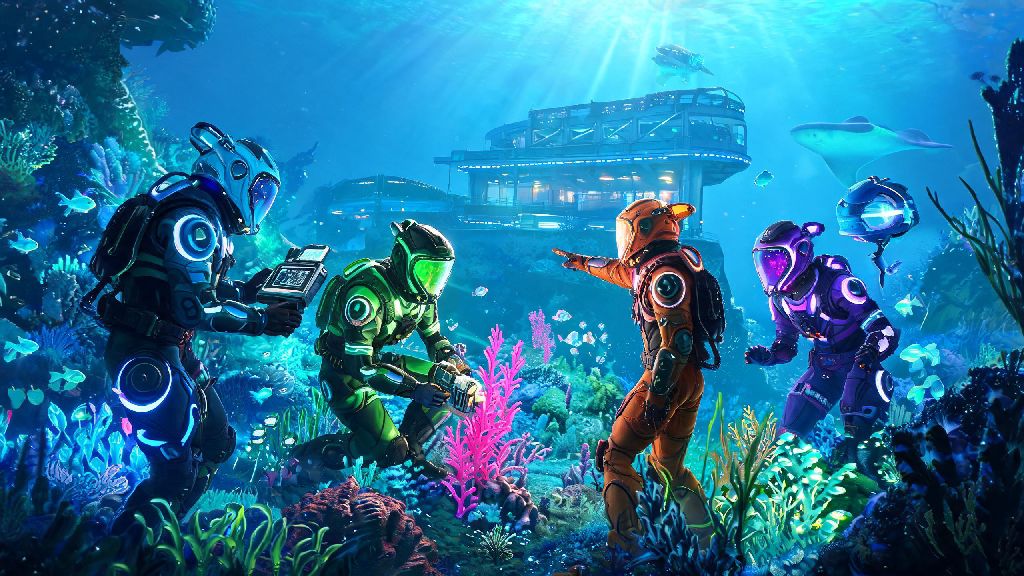
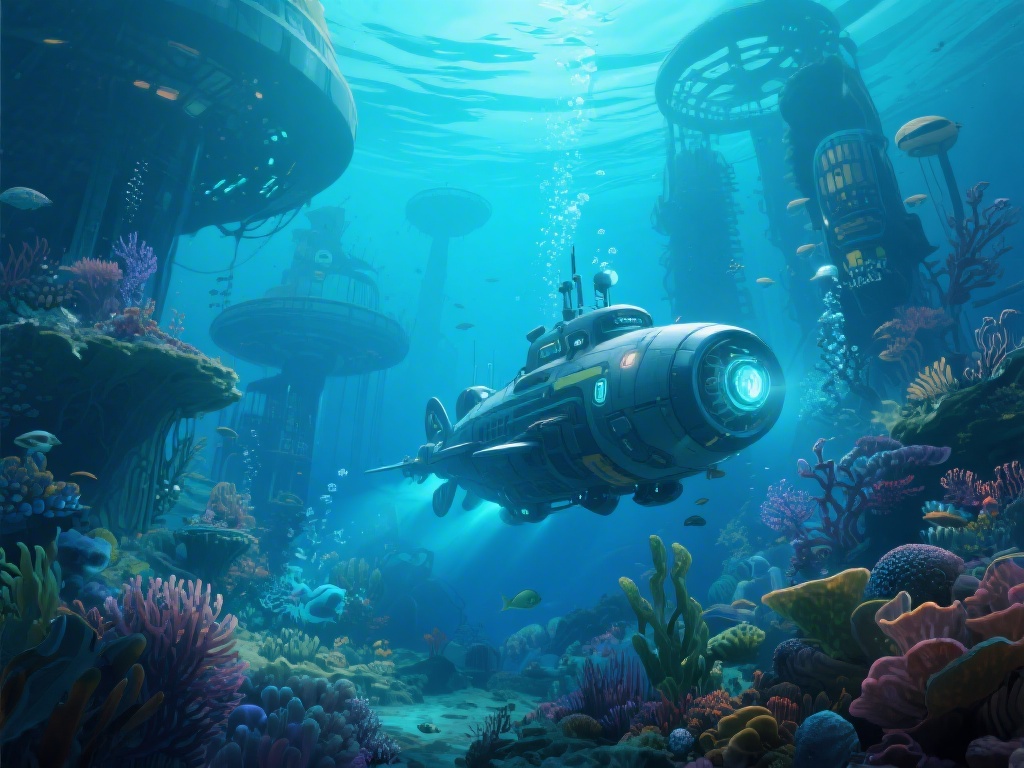
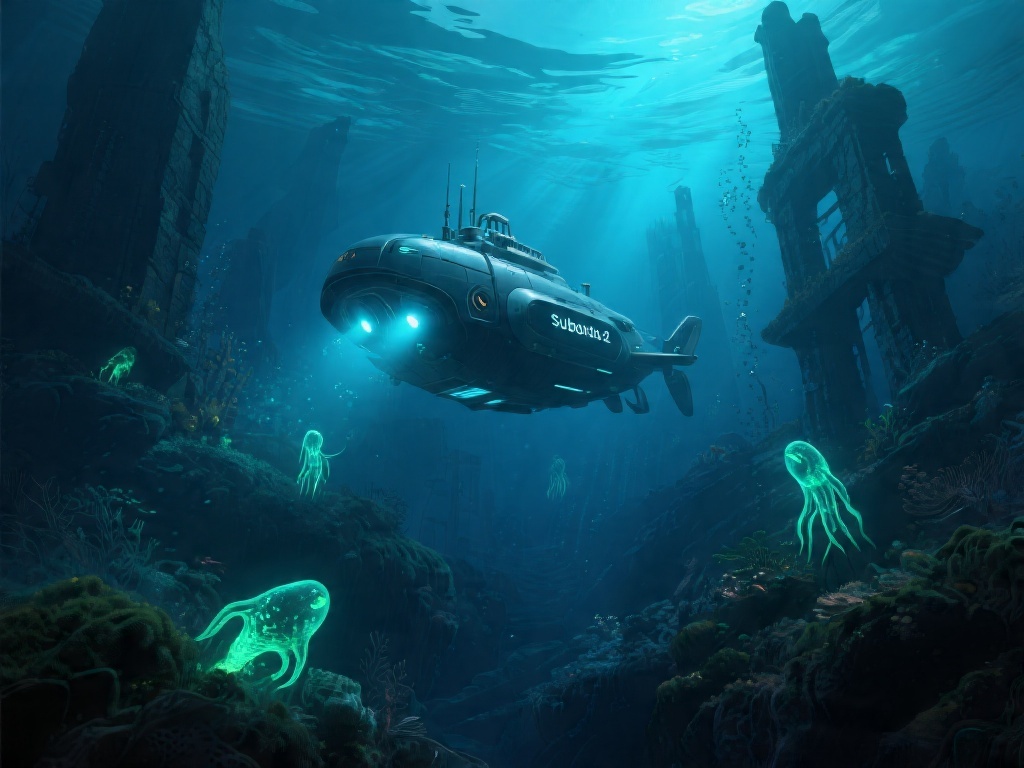
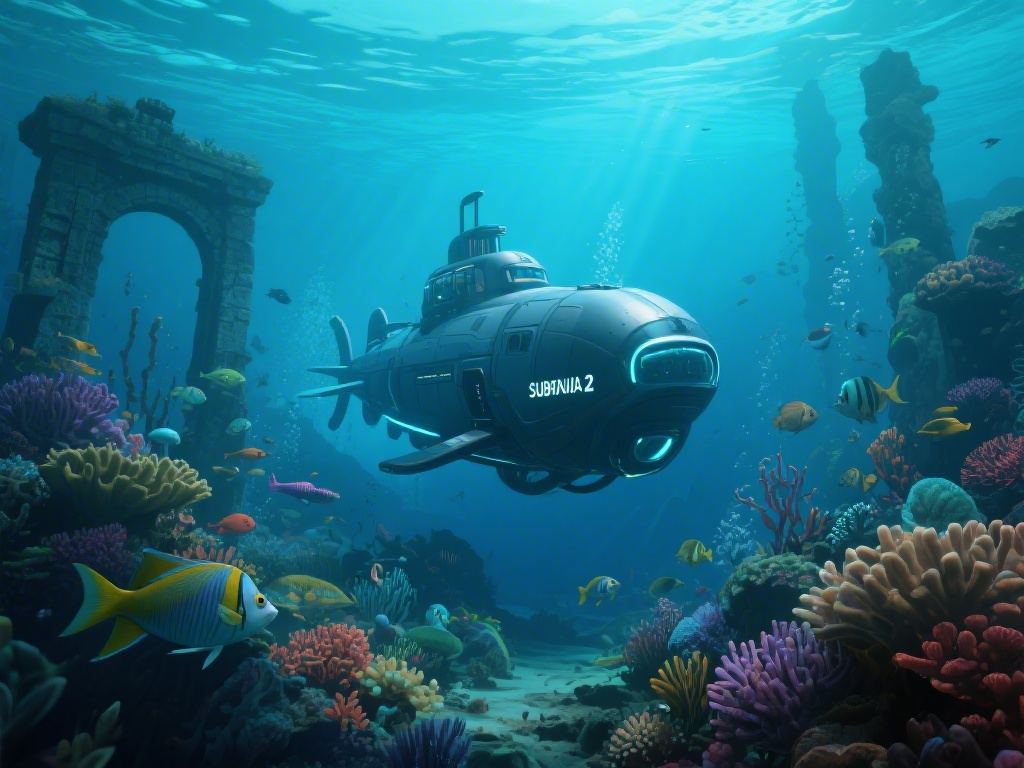
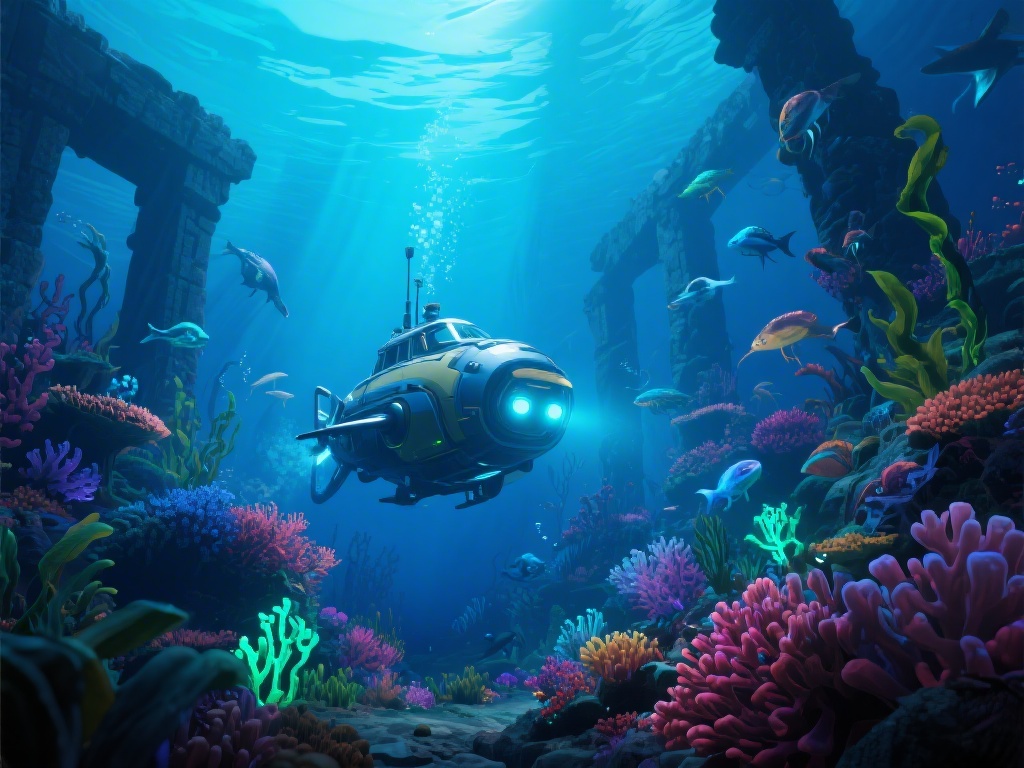
If you’ve spent dozens of hours navigating Subnautica’s eerie, bioluminescent alien oceans alone, you’ve probably daydreamed about bringing a friend along to spot leviathans before they sneak up on you, split the work of base building, and laugh off the panic when your oxygen runs out at the worst possible time. The long-requested Subnautica 2.0 multiplayer update turned that daydream into reality, overhauling core game systems to support seamless co-op play without breaking the tense, immersive survival loop that made the original game a hit. I’ve put over 80 hours into multiplayer sessions with my friend group since the update dropped, so I’m breaking down everything you need to know to have a smooth, fun run without wasting hours troubleshooting or fighting over limited titanium deposits.
How to Set Up Subnautica 2.0 Multiplayer Sessions Without Common Headaches
The setup process is far simpler than most modded co-op versions of Subnautica that existed before the official update, but there are a few small details that can make or break your first session. You have two main options for lobbies: player-hosted local lobbies for groups of 2-3 friends, and dedicated servers for larger groups or long-term playthroughs where you want progress to stay saved even when the original host logs off. Only the host needs to have a copy of the game if you’re using Steam Remote Play, but all players need owned copies for direct connect lobbies to avoid access errors.
Follow these steps to get your lobby up and running in under five minutes:
- Launch Subnautica 2.0, select “Multiplayer” from the main menu, then choose “Host New Game” to create your lobby
- Adjust lobby settings: toggle friendly fire on or off, set a password if you only want invited players to join, and pick your starting biome and difficulty level
- Send the 6-digit lobby code to your friends, or invite them directly through your Steam, Epic, or console friends list
- Wait for all players to load in before you leave the escape pod, to avoid spawn glitches that can leave players stuck in the ocean floor
For players on older PCs, you’ll want to make sure the host has a stable internet connection and at least 16GB of RAM, because the host’s device is handling all the world generation and entity tracking for every player. I’ve made the mistake of hosting a 4-player lobby on my old 8GB laptop before, and we got hit with constant lag spikes every time a Reaper Leviathan swam within 100 meters of our base. So if you have a friend with a higher-end PC, ask them to host to save everyone the frustration.
Core Multiplayer Gameplay Rules You Need to Know Before Your First Run
A lot of players assume co-op just adds extra players to the standard single-player world, but Subnautica 2.0 made small, intentional changes to how resources, progression, and damage work to keep the game balanced for groups. First, resources respawn at 70% the rate they do in single-player, so you can’t just strip an entire kelp forest of titanium and expect it to come back in a few in-game days. That means you’ll need to split up to explore different biomes if you’re playing with 3 or 4 people, instead of all looting the same starting area.
Story progression is tied to the host’s save file, so if you join a friend’s lobby, you won’t unlock any story beats or blueprints on your own personal save. If you want to keep progress across sessions, make sure everyone agrees to stick to the same host for your full playthrough, or set up a dedicated server that stays online even when the original host logs off. Also, friendly fire is off by default, but if you turn it on, you can accidentally damage your friends with your knife, repulsion cannon, or even stray gas torpedoes. I learned that the hard way when I tried to shoot a Sand Shark that was sneaking up on my friend, and I ended up taking out half their health bar instead.
One quirk most players don’t notice until their first deep dive is that all players share the same oxygen warning and base power alerts, so if one person is drowning 500 meters down, everyone in the lobby will get the same pop-up notification. That makes it easy to coordinate rescue missions, but it can also get distracting if one of your friends keeps forgetting to refill their oxygen tank every time they go out exploring.
Pro Tips for Surviving and Thriving in Co-Op Sessions
Once you’ve got the basics down, there are a ton of small tricks you can use to make your multiplayer run way more efficient and fun, without ruining the tense survival vibe of the game. First, split roles based on what each player enjoys most. If you have one friend who hates fighting leviathans but loves building, assign them to base construction and resource organization. If another friend lives for exploring deep, dangerous biomes, send them out to scan rare fauna and collect rare materials like kyanite and nickel ore. Assigning specific roles cuts down on duplicate work by 60% in my experience, and it means you won’t end up with four extra oxygen tanks and zero glass for your base windows.
Build a shared storage room early on, with labeled chests for different material types. Nothing kills the flow of a session faster than three players arguing over who took the last lead deposit they needed to make a radiation suit. You should also set up multiple beacons across the map with clear labels, so everyone knows where to find important spots like your main base, leviathan spawn points, and rare resource veins.
If you’re playing with 3 or more people, keep one player at the base at all times when you’re doing deep exploration runs. They can monitor base power levels, cook food and filter water for the group, and call for help if a creature attacks the base while everyone else is away. I also recommend investing in a couple of extra Sea Moths early on, so players don’t have to wait around for someone to bring the only vehicle back to base before they can go out looting.
Common Multiplayer Bugs and How to Fix Them Fast
As polished as the 2.0 update is, you’ll still run into a few small glitches when playing with friends, especially if you’re running mods or playing on a console. The most common bug I’ve run into is players getting stuck in the loading screen when they try to join an existing lobby. The easiest fix for this is to have the host restart their game, and make sure all players have the same game version and any mod files synced up before trying to join again. Never join a lobby if your game version is older than the host’s, as this will almost always cause crashes or missing content glitches.
Another common bug is shared items disappearing from storage chests when multiple players access the same chest at the same time. To avoid this, make a rule that only one player can open a storage chest at a time, and don’t pass items directly between players if you’re in a laggy area. If you do lose items, the host can usually spawn them back in using console commands, but only if you’re playing on a custom difficulty that allows cheats.
The last common bug is vehicles disappearing when a player logs off while they’re inside a Seamoth or Cyclops. To fix this, make sure all players exit their vehicles and stand on solid ground or inside the base before they leave the lobby, so the game saves the vehicle’s location correctly. If a vehicle does disappear, you can usually find it floating near the original spawn point of the lobby, so send a player out with a beacon to search the area around the escape pod first before you craft a new one.
At the end of the day, Subnautica 2.0 multiplayer turns an already incredible single-player survival experience into something even more memorable, whether you’re laughing at your friend who got eaten by a Reaper Leviathan 10 minutes into the run, or celebrating together when you finally build a base in the Lost River biome. You don’t need any fancy setup or modding experience to get started, just a group of friends who don’t mind panicking together when your base springs a leak 1000 meters below the ocean surface. If you follow the tips and fixes we covered here, you’ll avoid 90% of the common frustrations with co-op play, and get to focus on what makes Subnautica great: exploring the weird, wonderful, and occasionally terrifying alien ocean with people you enjoy playing with.