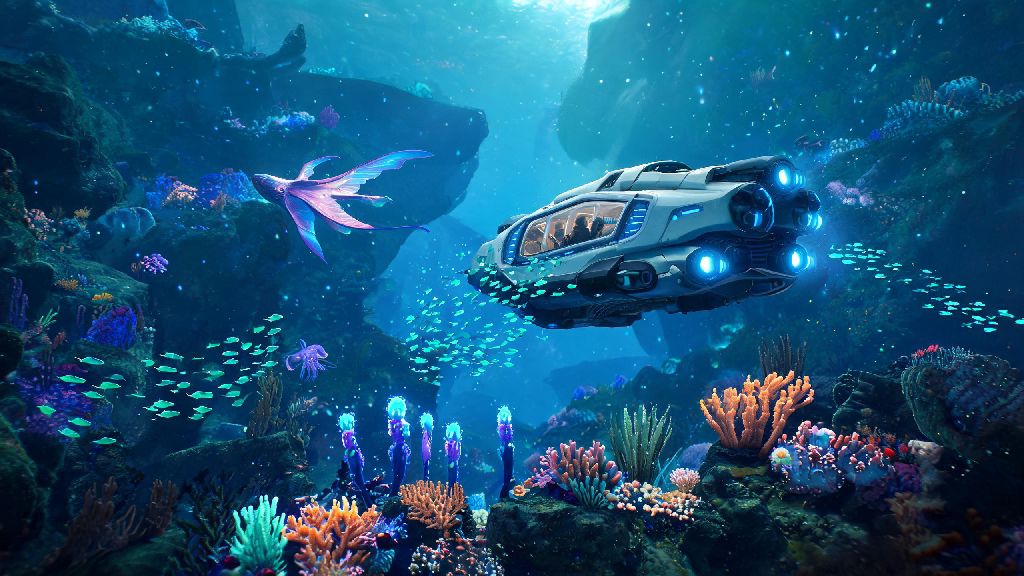
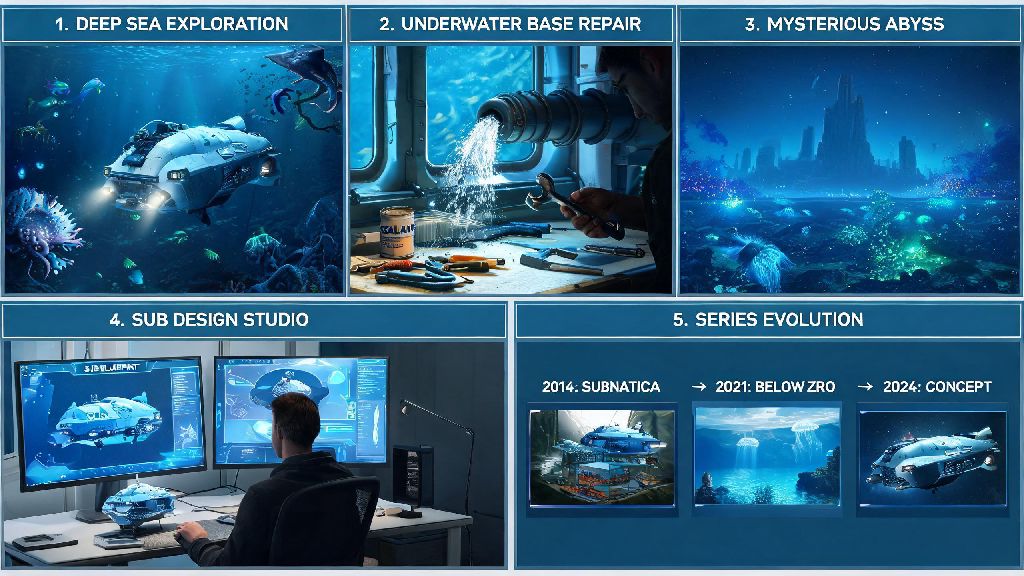
The original Subnautica completely redefined underwater survival when it launched, blending tense resource management, stunning alien worldbuilding, and just enough horror to keep you on the edge of your seat. Its long-awaited sequel lands on PS5 with upgraded 4K visuals, immersive adaptive trigger support, and a sprawling new ocean map twice the size of the first game’s, and it’s easy to feel overwhelmed when you first drop into its freezing, creature-filled waters. I’ve put 42 hours into PS5 Subnautica 2 so far, including two full playthroughs, so all the tips below are tested first-hand to help you avoid the frustrating, avoidable deaths I suffered in my first 10 hours of play.
PS5 Subnautica 2 Controller Optimization for Smoother Gameplay
One of the biggest advantages of playing the sequel on PS5 is the custom controller support, but most players leave the default settings untouched and miss out on quality of life upgrades that make exploration far less stressful. First, customizing the quick select wheel to pin your three most used tools (scanner, repair tool, and oxygen refill) will save you from fumbling through your inventory when a hostile leviathan rounds the corner toward you. I also recommend turning adaptive trigger resistance down to 40% for movement tools like the seaglide and grappling hook; the default setting is so stiff I started to get thumb cramping after an hour of long exploration runs.
You should also enable the accessibility "ping lock" feature in the settings menu, even if you don’t need accessibility adjustments. Most players struggle to keep track of distant drop points or resource deposits when they’re navigating winding cave systems, and ping lock lets you mark a single location that stays visible on your HUD no matter how far you travel, no beacon required. If you get motion sickness from the constant underwater camera sway, turn the movement smoothing setting down to 30% too; it cuts down on nausea almost completely without ruining the immersive feeling of swimming through the open ocean.
Critical Early-Game Survival Rules You Shouldn’t Ignore
The first two hours of play are when most new players quit, because it’s easy to wander too far from your drop pod and die to lack of oxygen, hostile creatures, or simple hunger. The first rule to follow is prioritize building a standard oxygen tank first before you craft any other tools or start building a base. Most early deaths happen when players run out of air 20 meters from safety, and the upgraded tank doubles your time underwater right off the bat.
There are three core resources you should scavenge every time you see them in the shallow starting biome, because you’ll need hundreds of each over the course of your playthrough:
- Silicon pebbles: these small, smooth grey rocks are scattered across the shallow reef floor, and you’ll need them for every tool from your first flashlight to your late-game submarine
- Copper ore: it’s often hidden under small bumpy rock formations near the shore, and you can’t craft batteries for any of your electronics without it
- Acid mushroom spores: these bright purple spores grow on short mushrooms in the shallow reef edge, and they’re the main ingredient for first-aid kits and water purification tablets
You should also scan every new creature and plant you find as soon as you spot them. Scanning unlocks crafting recipes you won’t get any other way, and it also adds entries to your database that tell you exactly which creatures are hostile, which are neutral, and which can be harvested for rare resources. Don’t make the mistake I did of attacking a tiny glowing fish just to see what it drops; it spit venom that took off 40% of my health and left me poisoned for 30 seconds, right as I was running out of air.
How to Navigate Dangerous Biomes Without Dying
Once you have your seaglide, upgraded oxygen tank, and first-aid kits stocked, you’ll probably want to venture into the deeper, more dangerous biomes to find rare resources and advance the story. The biggest mistake new players make here is only bringing their equipped oxygen tank with them; always stow at least two extra tanks in your inventory, because it’s easy to get stuck in a winding cave system and run out of air before you can find the surface.
Pay close attention to the haptic feedback cues from your PS5 controller when you’re exploring deep biomes, because they’re your earliest warning system for hidden hazards. When you’re near a leviathan, hidden thermal vent, or aggressive swarm of creatures, the controller will rumble in a distinct low pattern that’s different from normal environmental vibration, giving you 5 to 10 seconds to hide or turn back before you’re spotted. If you do encounter a leviathan, don’t panic and swim straight away – they’re far faster than you are. Instead, swim into a small crevice or behind a large rock formation and stay still until they lose interest and swim away.
Another trick I swear by is bringing a stack of portable glow sticks with you when you go cave diving. Drop one every 50 meters as you go deeper, and you’ll be able to follow the trail back to the cave entrance easily instead of getting lost in the dark, winding passages. I can’t tell you how many times I forgot to do this early on and ended up stranded 300 meters below the surface with no idea how to get back to my base.
Hidden Quality of Life Features Most Players Miss
The PS5 version of the game has a handful of exclusive features that even players who have put 20+ hours into the game often miss, and all of them cut down on tedious travel and inventory management time. First, the PS5 activity card shortcuts let you jump straight to the closest safe spawn point near your active story objective from the home menu, so you don’t have to fast travel from your base and swim 1000 meters to get to your next mission. It’s a small feature, but it saves me at least 10 minutes of travel time every time I boot up the game.
You can also store extra supplies in your seamoth’s hidden storage compartment – most players think the small submarine only has four quick slots for tools, but holding down the triangle button when you’re inside pulls up a 12-slot storage bin perfect for stashing extra resources, first-aid kits, or spare oxygen tanks. If you’re playing co-op with friends, you can also share access to this storage bin with your party, so you don’t have to pass items back and forth manually when you’re out exploring together.
The photo mode also has a hidden location tagging feature that most players never use. If you take a photo of a rare resource deposit, hidden alien ruin, or leviathan spawn point, you can tag the location directly in the photo and it will show up as a custom marker on your in-game map. It’s way faster than trying to drop a beacon while you’re being chased by a hostile creature, and you can share these tagged locations with your co-op party with one tap of the d-pad too.
The best part of PS5 Subnautica 2 is the sense of unscripted discovery you get when you stumble on a hidden cave full of rare resources or a weird new creature you’ve never seen before, so don’t let the fear of dying stop you from exploring every corner of the map. The tips above are just meant to cut down on the frustrating, avoidable mistakes that make new players quit early, so you can spend more time uncovering the secrets of the alien planet and its vast, beautiful ocean. If you have your own favorite tips for playing on PS5, drop them in the comments below – I’m always looking for new tricks to make my runs even smoother.