If you’re a fan of the original Subnautica’s tense, beautiful underwater survival, you’ve probably already jumped into early access Subnautica 2, or are weighing whether to pick it up before the full launch. I’ve put 40 hours into the early access build so far, running into weird glitches, finding hidden biomes no one’s posted about, and figuring out what works (and what definitely doesn’t) when you’re 300 meters below the surface with no oxygen left. This guide breaks down everything I wish I knew before I booted the game up for the first time, so you can avoid my stupid mistakes and get right to exploring what the new entry has to offer.
What Early Access Subnautica 2 Includes (And What’s Missing Right Now)
Right now, the early access build covers the shallow coral reefs, the glowing bioluminescent caves, and the twisted volcanic trenches, each with their own unique creature and resource pools. The main story follows a researcher investigating a strange signal coming from the planet’s deepest ocean trench, and you’ll get access to most of the core tools you remember from the original, plus a few new ones like the underwater grappling hook and the plant-based oxygen refiller. What’s not there yet? The final two deep-sea biomes, the full endgame story arc, and the co-op multiplayer mode that the devs teased last year.
You won’t hit a hard content wall for at least 25 hours of casual play, so even if you’re not here to test new features and submit bug reports, you still get a lot of playable content for the price. The dev team has also confirmed that all save files will carry over to the full launch, so you don’t have to worry about abandoning your carefully built underwater base when the full game drops. If you’re someone who hates replaying content, you can safely start your playthrough now without losing progress later.
Key Gameplay Changes From the Original Subnautica
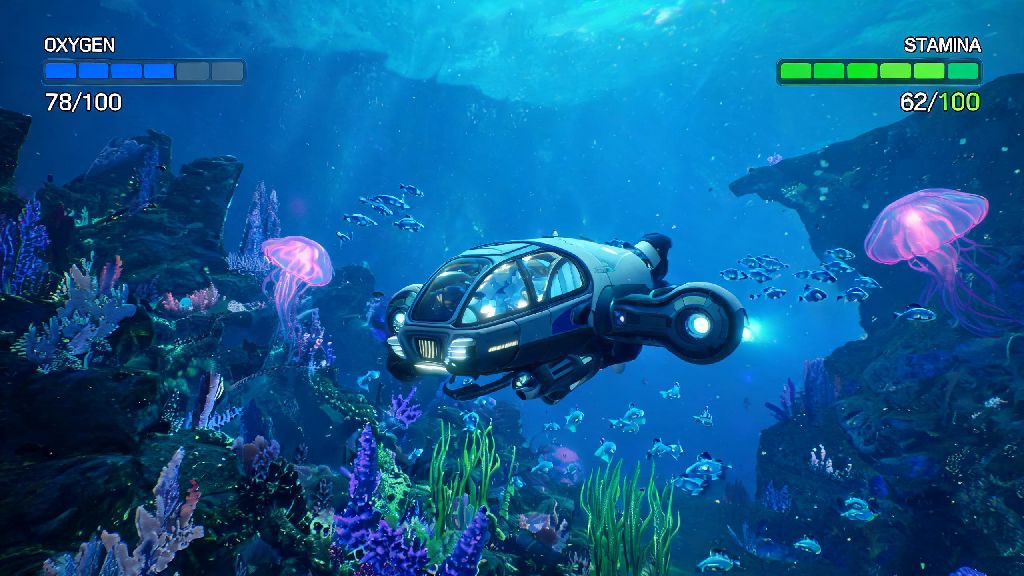
If you played the original Subnautica, you’ll pick up the basics quickly, but there are a few key changes that will throw you off if you don’t know they’re coming. The biggest one is the new oxygen system: instead of only being able to refill at the surface or at your base, you can collect small bursts of oxygen from the bulbous, glowing green plants that grow all over shallow reefs. That means you can spend 10-15 extra minutes exploring cave systems early on without having to rush back up for air.
Predator behavior is also way more dynamic now: leviathans and other hostile creatures won’t just charge you the second they spot you. Most will stalk you for 30 to 60 seconds first, giving you time to pull out a repulsion cannon, hide in a small crevice, or swim away before they attack. You can now tame small herbivores to bring you resources like ore and seeds every 30 minutes, which cuts down on grinding for basic materials like copper and quartz by almost half.
There’s also a new dynamic weather system that causes strong underwater currents during storms, which can pull you off course or push you into dangerous areas if you’re not paying attention. Always carry at least two beacons with you to mark your base location and any important spots you find, so you don’t get lost when a current hits.
Common Early Access Bugs to Watch For (And Fixes That Work)
No early access build is perfect, and Subnautica 2’s is no exception. I’ve run into dozens of small bugs over my playthrough, and most have easy workarounds that don’t require you to restart your entire game or lose progress. The devs are very active about patching issues, but these are the ones I see pop up most often as of the latest update:
- Seaglide clipping through terrain: If your seaglide disappears when you drop it, reload your last quicksave, and avoid dropping items within 5 meters of cave walls. You can also lock your seaglide to your hotbar to prevent accidentally dropping it in tight spaces.
- Oxygen meter not updating: This usually pops up right after you use a refill plant. Open and close your inventory once to reset the meter, no restart needed. If it keeps happening, verify your game files through Steam to fix corrupted data.
- Base pieces not snapping correctly: Turn off the "grid snap" setting in the gameplay menu for 10 seconds, place the piece, then turn it back on for future builds. This bug mostly affects sloped terrain, so try to build your base on flat ground if you want to avoid the hassle entirely.
If you run into a bug that doesn’t have a workaround, report it through the official in-game feedback tool instead of leaving a negative Steam review. The dev team checks the feedback tool multiple times a day, and your report can help them fix the issue for all players in the next patch.
Pro Tips to Get the Most Out of Your Playthrough
The first thing I recommend doing as soon as you spawn is to craft three beacons immediately. Mark your spawn pod, the closest shallow reef with lots of resources, and the edge of the first cave system you find. I use a color-coding system: blue for biomes, green for resource veins, red for predator nesting areas so I know to avoid them when I’m low on health or oxygen. It saves so much time later when you’re looking for a specific material to craft a new tool.
Prioritize building the mobile base vehicle as soon as you unlock it, because it lets you explore deep biomes without having to build small outposts every few hundred meters. It comes with a built-in oxygen refill station, storage for resources, and even a small farm plot so you can grow food while you’re away from your main base. It’s a bit grindy to get the materials for it, but it’s 100% worth the effort.
Don’t skip the side quests from the abandoned research outposts scattered around the map. They unlock exclusive blueprints you can’t get anywhere else, including a faster oxygen tank that holds 50% more air, and a creature repellent that works on even the biggest leviathans for 10 minutes at a time. Most of the outposts are easy to find if you follow the small radio signals that pop up on your scanner every few hours.
If you’re playing on a mid-tier PC and running into frame drops, turn off the underwater ray tracing setting first. It cuts frames by 30% on most systems, and you barely notice a visual difference in most biomes. You can also turn down the water particle density to get another 10-15 FPS boost without making the game look worse.
At the end of the day, early access Subnautica 2 is already a really solid experience, even with its small flaws. It captures the same sense of wonder and tension that made the original a classic, and the new biomes and mechanics make it feel fresh even if you’ve sunk hundreds of hours into the first game. If you’re on the fence about picking it up early, know that you’re getting a lot of content for your money, and your feedback will help make the final launch version even better. Just remember to save often, carry extra beacons, and don’t go chasing glowing fish into dark caves before you have a proper oxygen tank.