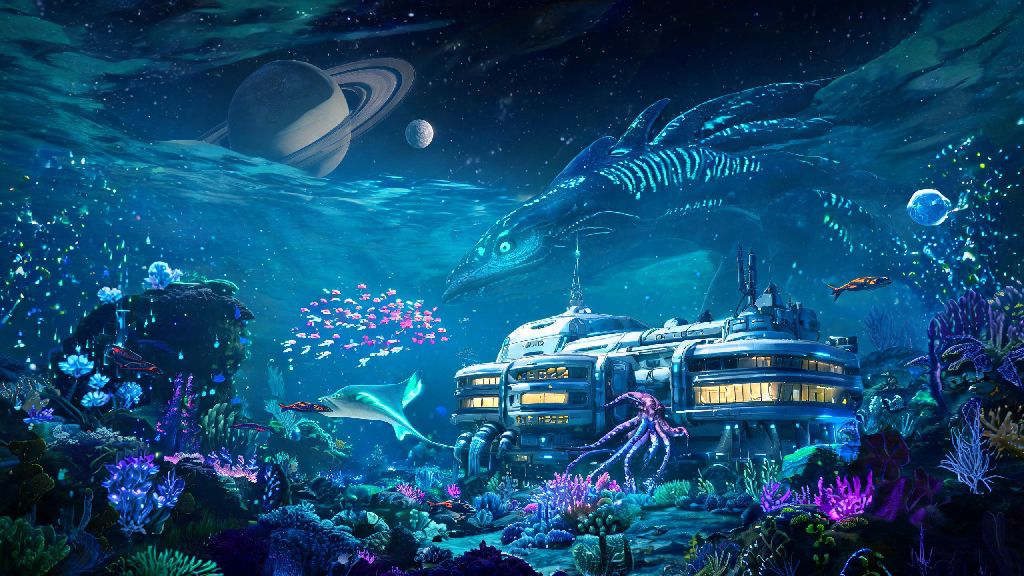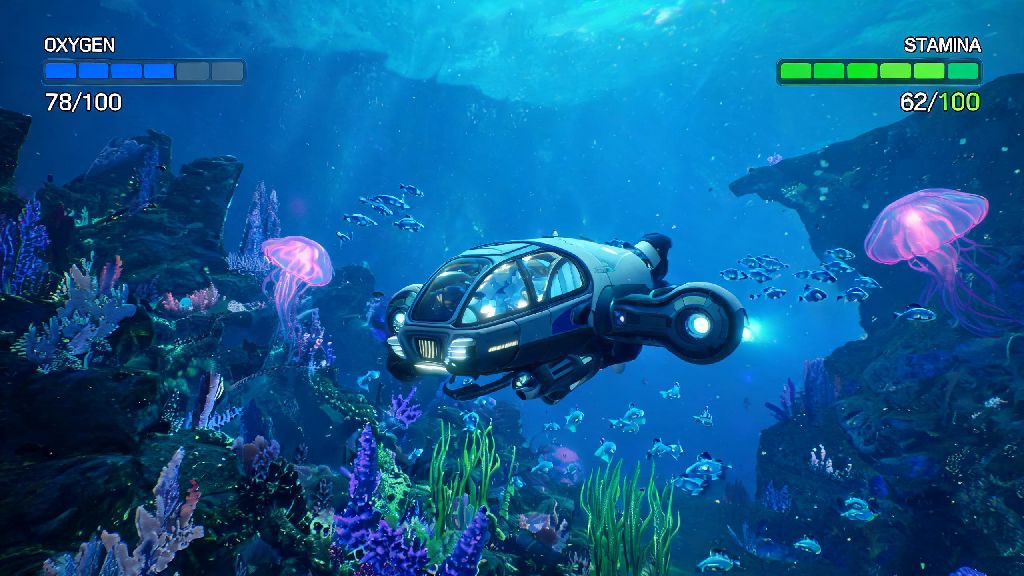
If you’re a fan of the original Subnautica, you’ve probably spent years waiting for the sequel to drop. I know I have, so I cleared my entire schedule the second Subnautica 2 early access went live. I put 32 hours into the game in my first week, died 17 times (I counted), and made almost every stupid mistake a new player can make. That’s why I put together this guide, to help you skip the frustrating learning curve and start enjoying the alien ocean as fast as possible.
Core Mechanics You Need to Master First in Subnautica 2 Early Access
The sequel keeps the core survival loop of the original, but adds a handful of new mechanics that will catch veteran players off guard if they don’t prepare. Oxygen management is no longer just about how long you stay down – sprint swimming, using tools, and taking damage all burn extra oxygen now, so you can’t rely on the old timing rules you learned from the first game. Cold exposure drains your stamina and oxygen simultaneously if you don’t have proper gear, which is a death sentence for players who rush into glacial biomes too early.
Your first hour of play should be focused on crafting three critical items to avoid unnecessary deaths:
I skipped the dive suit on my first run, got stuck in a glacial crevice with 10% oxygen and no stamina, and died before I could climb out. Don’t make that same mistake. One of the nicest surprises in Subnautica 2 early access is that all the materials for these three items are available within 50 meters of your starting lifepod, so you don’t have to go far to get set up.
Safe Early Exploration Zones to Loot Without Dying Constantly
A lot of new players see the glowing deep trench right off the starting beach and swim straight for it, which is almost always a death sentence. You don’t need to go deeper than 100 meters for the first 10 hours of play, and there are plenty of safe, resource-dense zones to explore first. The shallow kelp forests are 100% safe from large predators for the first 10 hours of play, as long as you don’t disturb the nest clusters on the sea floor. They’re packed with copper, silver, and edible plant life that will cover all your early crafting needs.
Coastal rock pools just north of the starting lifepod have all the lithium you need for early tool upgrades, and they’re only populated by small, non-hostile crab creatures that drop high-protein meat when caught. The floating ice sheets above the shallow reefs have hidden storage crates left by previous expeditions that have free meds, upgraded tools, and even rare crafting materials if you take the time to smash through the thin ice layers. I found a free high-capacity oxygen tank in one of those crates on my second run, which saved me 2 hours of grinding materials. Most of these mistakes are easy to avoid once you know how Subnautica 2 early access adjusts the original’s core mechanics.
Common Early Game Mistakes That Will Wipe Your Progress Fast
I made every one of these mistakes in my first week of play, so I can tell you exactly how much of a headache they are. First, never save your game right next to a leviathan spawn point. I did that once, loaded in and got eaten before I could even move, and lost 4 hours of unbacked up progress. Second, don’t ignore the warning pings from your PDA about radiation spikes. Unstable geothermal vents leak radiation that will permanently lower your max health if you stay exposed for more than 2 minutes without a hazmat suit. I wandered into a vent field by accident once, and had to spend 3 hours grinding for materials to make a health regen item to fix the damage.
Third, don’t hoard all your crafting materials in your starting lifepod. If a roaming leviathan decides to ram the pod, you can lose every single item you stored there. Build a small outpost 100 meters away from the spawn point first, so you have a backup storage location. Fourth, never leave your vehicle unattended near aggressive herbivores – the new reefback variants will ram and destroy unoccupied seamoths if they get too close to their feeding grounds. I learned that the hard way when I lost my first fully upgraded seamoth 15 minutes after building it.
What to Expect From Future Early Access Updates
The dev team has been completely transparent about their plans for Subnautica 2 early access, which is a nice change from a lot of other early access releases. The next major update, dropping in a few months, will add 4-player co-op, which is the most requested feature from fans right now. They’re also adding three new biomes, including a deep volcanic zone that will have new endgame creatures and crafting materials for late-game players. Mod support is planned for the next 6 months, so players will be able to add custom maps, creatures, and gameplay tweaks if they want to mix up the experience.
The devs release a small hotfix every 2 to 3 days right now to fix bugs and adjust balance based on player feedback. I submitted a bug report about the scanner not working on ice creatures during my first week of play, and they fixed it in the next hotfix. If you run into bugs or have feature requests, you can submit them through the official game hub, and the team actually reads every submission. They’ve already adjusted the cold exposure mechanic to be less punishing for new players based on feedback from the first two weeks of release.
At the end of the day, Subnautica 2 early access is still rough around the edges, but it already captures the same sense of wonder and quiet terror that made the original game a cultural hit for survival fans. If you take the tips we covered to heart, you'll avoid most of the frustrating early deaths and get to focus on what makes the game so special: exploring a beautiful, dangerous alien ocean full of hidden secrets and unexpected encounters. Don't rush through the early zones to get to the deep end as fast as possible, take your time to scan every new creature and plant you find, and don't be afraid to turn back if you hear something big moving in the dark below you. It's okay to play slow, that's where most of the fun is.