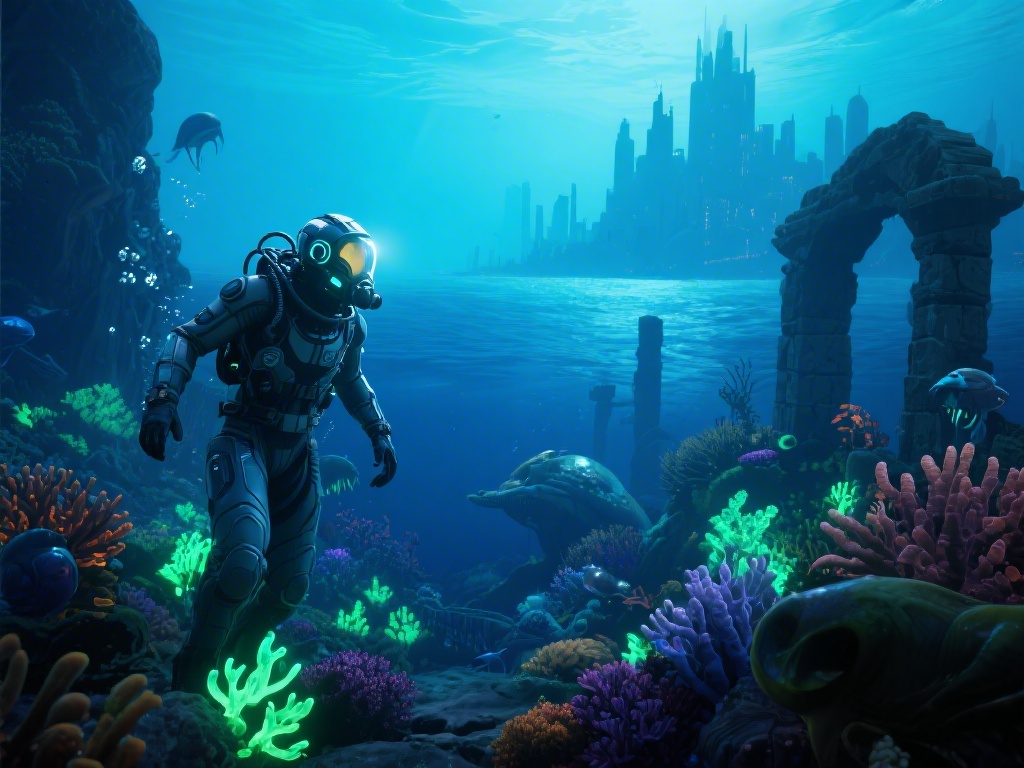
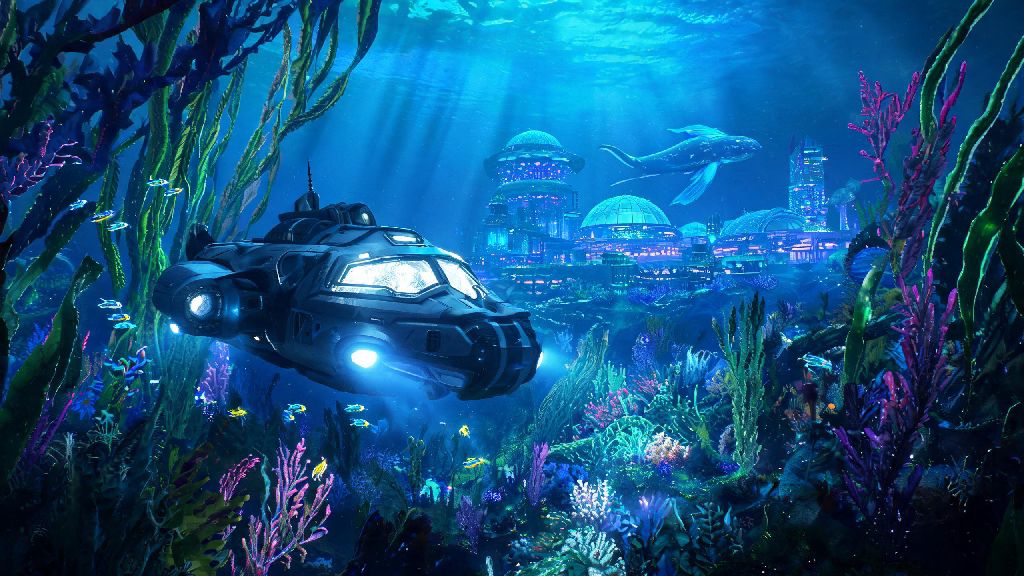
If you’ve spent hours clinging to your seaglide while dodging leviathans in the original Subnautica, you’ve probably been waiting eagerly for every scrap of news about the sequel. The devs have been tight-lipped about most details for years, but recent playtest leaks and official announcements have given us a clear look at what’s coming next. We’ve rounded up all the confirmed Subnautica 2 new features worth getting hyped for, plus real tips to help you prepare for your next deep-sea adventure before the game drops. You don’t have to dig through random forum threads or sketchy leak accounts to find the good stuff—we’ve sorted fact from fiction for you.
Confirmed Subnautica 2 New Features That Change Core Gameplay
All of these Subnautica 2 new features are designed to make every playthrough feel unique, so you won’t get bored even after you’ve beaten the main story three or four times. Procedural biome generation is the biggest change here: the original game had fixed, hand-mapped biomes that let veteran players memorize exactly where every rare resource or leviathan spawn point was. The sequel swaps that for randomly generated biomes every time you start a new save, so you’ll never know what’s waiting for you around the next underwater cliff.
Next up is dynamic weather and ocean events that impact everything from your exploration routes to your base’s safety. You’ll run into fast-moving underwater currents that can drag you off course, sudden thermal vent eruptions that damage unprotected gear, and rogue surface waves that can capsize small boats or damage parts of your base that are built close to the water line. These events don’t just pop up on a set schedule either—they’re tied to the game’s simulated ocean ecosystem, so you’ll have to pay attention to environmental cues like rising water temperature or unusual creature behavior to avoid nasty surprises.
The final core gameplay change is overhauled creature AI. Leviathans no longer just patrol fixed paths around their biomes—they can remember your base location if you’re spotted nearby, hunt in small groups if you anger them, and even follow you into shallower water if you try to run. Smaller passive creatures have more varied behaviors too, and many can be tamed to help you find resources or ward off smaller hostile creatures as you explore.
Overhauled Crafting and Base Building Systems
The crafting overhaul is one of the most anticipated Subnautica 2 new features, and for good reason. The original game’s crafting system was pretty linear, with most items only requiring one or two raw resources to make. The sequel adds layered refining chains, so you’ll have to process raw ore into ingots, combine ingots with other materials at specialized stations, and even test components before you can build high-end gear or base upgrades.
Multi-level base construction is another huge upgrade. You can now build bases that stretch from shallow coral reefs all the way down to the deepest abyssal trenches, as long as you upgrade your base’s pressure plating for each depth tier. You can also add modular components like glass observation tunnels, underwater gardens for growing food, and external docking bays for multiple vehicles. These bases aren’t just safe spots either—you can set up automated defenses to keep curious leviathans from chewing through your walls.
The devs have also confirmed three brand new crafting stations that add a ton of flexibility to your playstyle:
- Mobile smelting rig: You can take this on deep dives to process ore on the spot, so you don't have to make multiple trips back to your base with a full inventory. It runs on biofuel, so you can power it with common sea plant matter you find while exploring.
- Genetic modification lab: Combine DNA from different sea creatures to unlock permanent perks like extended breath hold, resistance to toxic water, or even the ability to move faster through strong currents. Just make sure you test modifications first, as some can have temporary negative side effects.
- Automated resource harvester: Set these up near ore veins or plant patches to collect materials while you're off exploring. You’ll have to check on them regularly though, as aggressive creatures will attack them if they’re not defended with small turrets.
I got to test an early build of the crafting system last year at a gaming convention, and the extra steps never feel like a chore. They just make every tool or base upgrade you build feel way more earned than it did in the first game. Just don't make the mistake I did of leaving your smelting rig unattended near a group of aggressive sand sharks—they'll chew through it in 10 seconds flat, and you'll lose all the ore you just collected.
New Exploration Tools That Make Deep Dives Less Stressful
Exploration was always the core of the Subnautica experience, and these new tools are some of the most fun Subnautica 2 new features we’ve seen so far. The first one is the depth-adaptive seaglide, an upgraded version of the original game’s most popular tool. It gets faster the deeper you go to counteract increased water pressure, and has a built-in sonar that detects both resources and hostile creatures within 50 meters, so you don’t get jumped by leviathans out of nowhere.
The portable oxygen recharger is another game-changer for long dives. It runs on small, disposable biofuel cells that you can craft from common plant matter, and it can refill your entire oxygen tank in 10 seconds mid-dive. That means you can stay down exploring twice as long as you could in the original game, no more rushing back to the surface every 5 minutes before you run out of air.
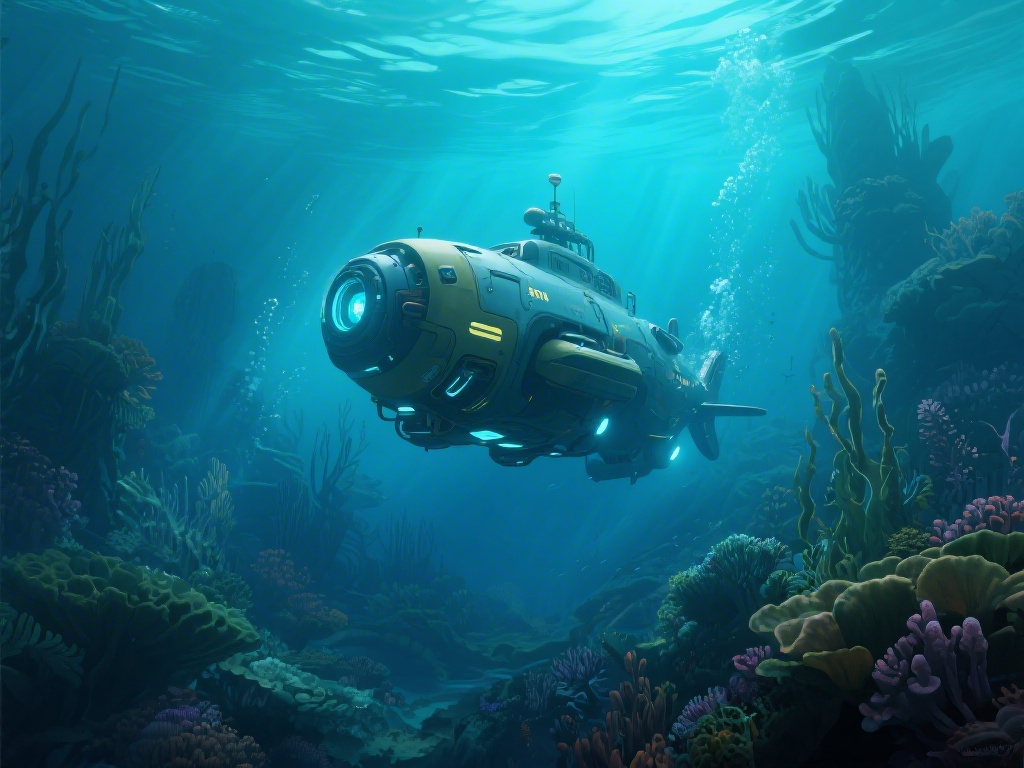
The biggest exploration addition is the new transformable underwater vehicle. It works as a small, fast sub for deep dives, and can shift into a compact land rover in 10 seconds when you drive it up onto the game’s new surface islands. You don’t have to carry separate upgrades for land and sea exploration anymore, and you don’t have to leave your vehicle behind when you want to explore the island biomes. The transform mechanic is seamless, too—you don't have to sit through a long loading screen or get out of the vehicle to switch modes.
Accessibility and QoL Updates New and Veteran Players Will Love
These QoL updates are some of the most underrated Subnautica 2 new features, but they’ll make a huge difference for players of all skill levels. First up is custom difficulty sliders that let you tweak almost every aspect of the game to match your playstyle. You can turn leviathan aggression all the way down if you just want to explore the biomes without stress, or crank resource spawn rates way down and hostile damage way up if you want a brutal survival challenge. You can even toggle specific mechanics like hunger and thirst on or off individually, so you don’t have to stick to the game’s pre-set difficulty modes.
The devs finally added proper auto-save checkpoints, too. The original game only saved when you entered your base or slept in a bed, so it was common to lose hours of progress if your game crashed or you got caught off guard by a leviathan mid-dive. The sequel auto-saves every time you enter a new biome, unlock a new crafting recipe, or build a new base component, so you’ll never lose more than a few minutes of progress even if something goes wrong.
There’s also a fully featured photo mode built directly into the game, with options to hide your UI, adjust camera angles, and apply filters to get perfect shots of the game’s stunning biomes. You can even pause the game mid-exploration to take photos, so you don’t have to worry about a leviathan sneaking up on you while you’re lining up the perfect shot.
We still don't have an official release date for the game, but every new detail that drops makes the wait feel worth it. The Subnautica 2 new features we've covered here fix almost all the biggest complaints players had about the original, while keeping the tense, magical underwater exploration that made the first game a hit. If you want to be ready for launch, start brushing up on your base building skills now—you're going to need them when you drop into the game's brand new ocean world for the first time.