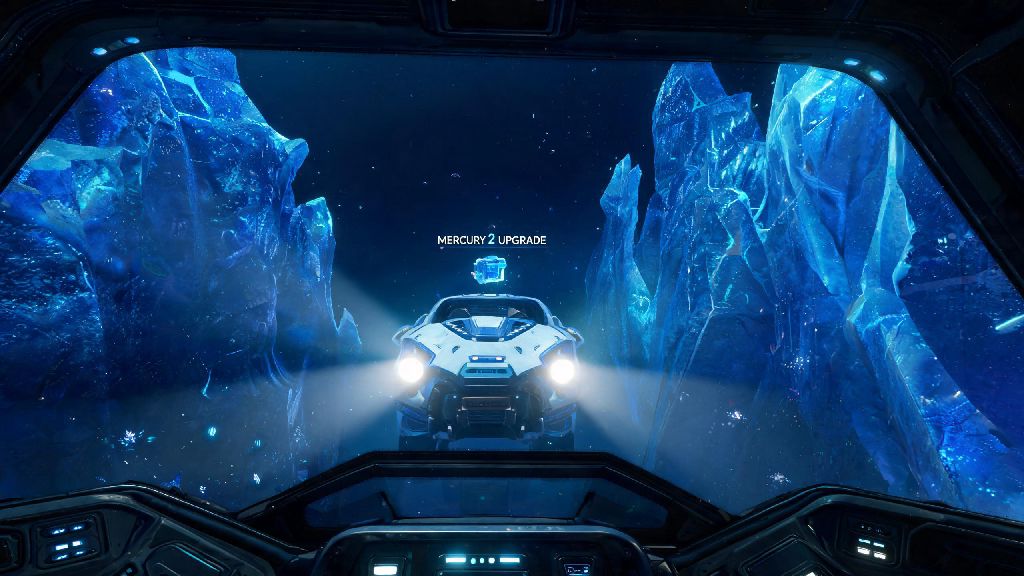
If you spent dozens of hours in the original Subnautica fleeing reaper leviathans, sneaking past sand sharks, or hoarding peepers for food, you’ll notice a huge shift in how the alien ocean behaves in the sequel. Subnautica 2 AI is the core of that shift, ditching the rigid, scripted creature patterns of the first game for dynamic, responsive systems that make every playthrough feel totally unique. You can no longer rely on memorizing patrol paths or exploiting predictable creature reactions to survive. This guide breaks down everything you need to know about the new AI, from how to use it to your advantage to common mistakes that can get you killed before you even build your first base.
How Subnautica 2 AI Differs From the Original Game’s Creature Logic
The original Subnautica’s creature AI was fairly basic, designed mostly to create jump scares and add mild tension to exploration. Every creature followed fixed patrol routes, forgot you existed as soon as you left their biome, and reacted the exact same way to player actions every single time. The new system is built on behavioral trees that let creatures learn, remember, and adapt to your choices over the course of your playthrough.
Creature memory persistence is the biggest upgrade by far. If you attack a stalker that’s hanging around your base, it will remember that interaction for up to seven in-game days, and will either avoid you or attack on sight every time you cross paths. That memory doesn’t reset when you fast travel, sleep, or leave the biome, so impulsive choices have real long-term consequences. I learned this the hard way on my first run, when I stabbed a peeper for food near a kelp forest, and spent the next three in-game days being chased by every small creature in the area whenever I tried to harvest coral.
Another big change is inter-creature communication. Hostile creatures will alert other members of their species to your presence if they spot you, and herbivores will send out alarm signals if a predator is nearby. That means you can’t just sneak past one sand shark and assume you’re safe for the rest of your trip through the biome. The whole pack will know you’re there before you even see them.
5 Smart Ways to Use Subnautica 2 AI to Your Survival Advantage
You don’t have to fight every creature you run into, or spend all your resources building perimeter defenses to keep them away. The new AI system is designed to reward careful, thoughtful play, and there are tons of ways to work with the ocean’s inhabitants instead of against them. I’ve tested all these tricks across three full playthroughs, and they cut my early-game survival time in half.
- Use herd behavior to avoid predators: Large herbivores like the new glow whales have built-in predator detection systems that trigger a bright blue alarm flash if a leviathan is within 500 meters. Stick close to their migration paths when you’re exploring uncharted biomes, and you’ll get a full two-minute head start to hide or flee before the hostile creature gets close enough to spot you.
- Train small scavengers to collect rare materials: Stalkers and the new burrower crabs can be trained to bring you specific resources if you reward them consistently. I use this trick to get rare crystal sulfur without venturing into toxic cave systems: I leave one sulfur sample near a crab’s burrow with a piece of cooked fish, and within 10 minutes it will bring back 2-3 more samples from nearby caves I can’t safely access.
- Trigger territorial fights to take down large threats: If you’re being hunted by a reaper leviathan, lead it into the territory of a sea dragon. The new AI lets creatures prioritize defending their territory over chasing you, so 9 times out of 10 they’ll start fighting each other, and you can sneak away while they’re distracted. You can even collect the drops from the losing creature if you stick around long enough.
- Use non-lethal deterrents to mark safe zones: The new repulse grenade doesn’t hurt creatures, it just trains them to avoid the area you throw it in. Throw 2-3 around your base when you first set it up, and hostile creatures will stay at least 100 meters away permanently, so you don’t have to waste resources on expensive perimeter defense systems.
- Follow foraging creatures to find hidden resource veins: Herbivores will only feed on flora that grows near high-concentration ore veins. If you track a group of peepers to their regular feeding ground, you’re almost guaranteed to find a deposit of titanium, lithium, or even diamond within 20 meters of the spot.
One small thing to keep in mind: these tricks work best if you don’t mix positive and negative interactions with the same group of creatures. If you train a stalker to bring you salvage one day and attack it the next, it will reset its entire impression of you, and you’ll have to start the training process all over again.
Common Mistakes Players Make With the New AI System
Most long-time Subnautica players carry over old habits from the original game that backfire hard with the new AI system. I made almost all of these mistakes on my first playthrough, so you don’t have to.
The first and most costly mistake is killing random creatures for no reason. In the original game, there was no downside to stabbing every peeper or stalker you ran into, but that’s no longer the case. Unprovoked attacks have long-term consequences that can ruin an entire playthrough if you’re not careful. If you kill a creature in a biome, all nearby creatures of every species will mark you as hostile for up to 10 in-game days, and you’ll be attacked on sight every time you enter the area. That’s a huge problem if you built your base in that biome, or if it’s the only place you can find a rare resource you need.
Another common mistake is assuming all creatures of the same type act the same. Each individual creature has a unique personality: some stalkers are curious and easy to train, some are aggressively territorial and will attack you no matter how many gifts you give them. I ran into two stalkers in the same kelp forest once: one brought me metal salvage for a single cooked fish, the other attacked me on sight even after I left it three separate fish gifts over two days. You have to test each creature’s personality before you rely on it for help.
Players also often forget that the AI reacts to your base, not just your personal actions. If you have a lot of noise-making equipment like generators or scanners running near your base, it will attract curious creatures, including large predators, even if you set up repulse grenades. Keep high-noise equipment at least 50 meters from your main base structure to avoid unwanted visitors in the middle of the night.
The last big mistake is using lethal weapons on leviathans unless you’re fully prepared to fight them for hours. The new AI lets leviathans call for backup if they’re injured, so if you stab a reaper once, it will bring 2-3 more reapers to the area within 5 minutes, and you’ll be surrounded before you even have time to pull out your repair tool.
How the Community Is Expanding Subnautica 2 AI Functionality
The base game AI is already impressive, but the modding community has been releasing small, free mods that make the system even more dynamic and immersive for players who want extra challenge or new features. You don’t need any advanced tech skills to install most of these mods, and they can add hundreds of hours of replay value to the game.
One of the most popular mods adds full pet mechanics, so you can befriend even large herbivores like glow whales and ride them across the map. The mod expands the base AI to let your pet creature follow you, defend you from predators, and even help you carry extra resources when you’re on long exploration trips. It’s perfect for players who prefer a more relaxed playstyle and don’t want to fight every creature they run into.
Another popular mod adds adaptive difficulty that adjusts based on your personal skill level. If you’re dying a lot to predators in the early game, the AI will make hostile creatures less aggressive and less likely to hunt you down. If you’re cruising through the game with no issues and getting bored, it will make creatures smarter, more aggressive, and more likely to work together to take you down. Modded AI can make the game feel totally new even if you’ve already beaten the base game three or four times like I have.
If you’re playing on console, you won’t have access to these mods yet, but the devs have confirmed they’re working on supporting official modded content on all platforms in the near future. Just make sure you back up your save file before installing any AI mods, since they can change save data permanently if something goes wrong during installation.
At the end of the day, Subnautica 2 AI is the biggest reason the sequel feels so fresh and immersive, even for long-time fans of the original franchise. You don’t have to be a pro player to take advantage of all the new features, you just have to pay attention to how creatures react to your actions and adjust your playstyle accordingly. I’ve put over 120 hours into the game so far, and I still run into new AI interactions I haven’t seen before every time I boot it up. That level of unpredictability is exactly what makes a survival game feel worth playing, and it’s clear the devs put a lot of thought into making the alien ocean feel like a living, breathing world instead of just a backdrop for exploration.