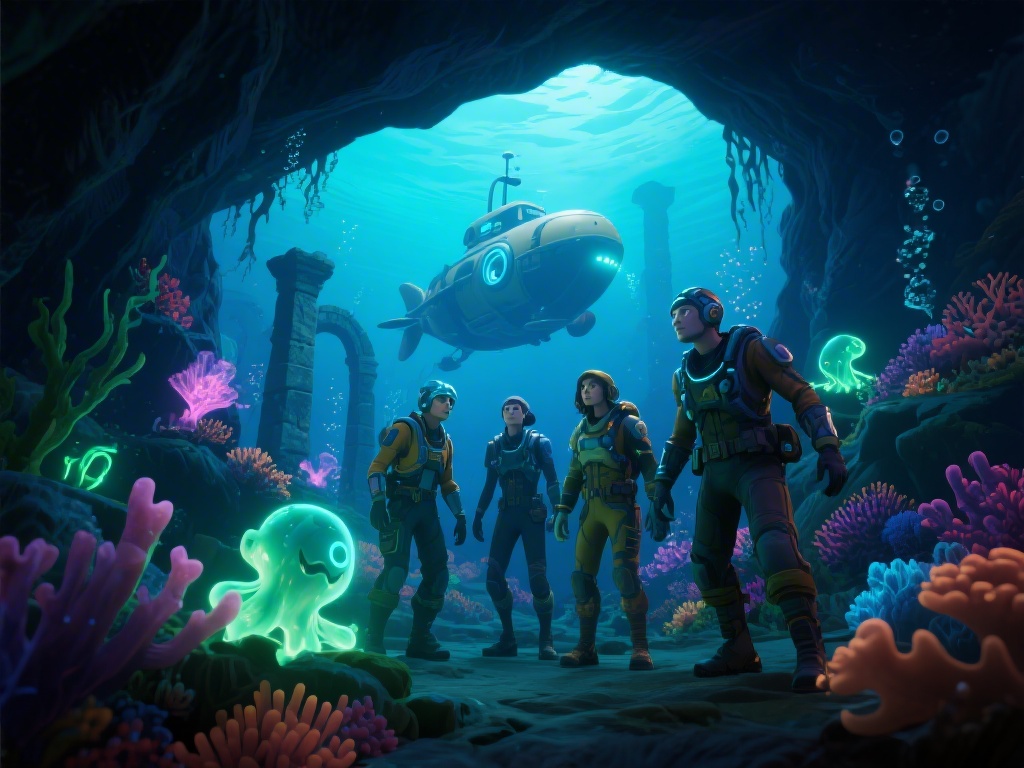
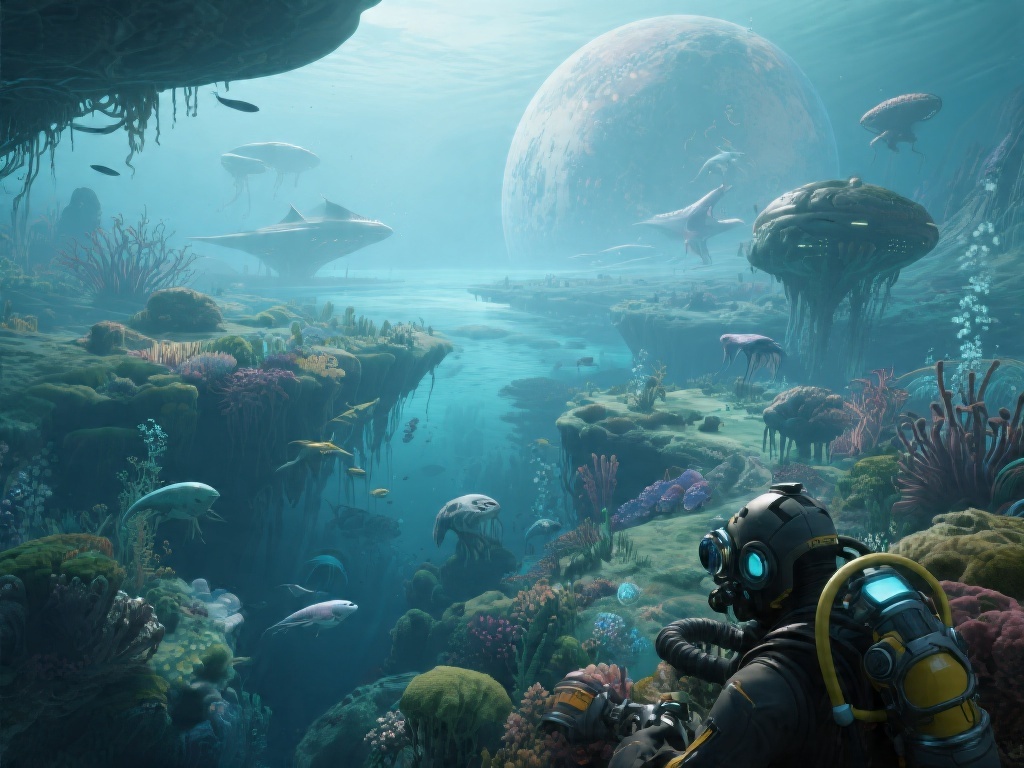
If you’ve dipped your toes into the frigid, alien oceans of Subnautica’s long-awaited follow-up, you already know half the thrill (and terror) of every dive comes from what’s lurking just out of your flashlight’s glow. Subnautica 2 monsters range from tiny, bioluminescent swimmers that light up dark crevices to massive, biome-dominating beasts that can end your run in a single chomp if you’re not paying attention. I’ve logged over 120 hours in early access so far, and I’ve had more close calls with these creatures than I can count, so I put together this breakdown to help you tell friend from foe and avoid costly deaths on your deep dives.
Common Subnautica 2 Monsters You’ll Find in Shallow Biomes
Your first 10 hours of gameplay will mostly be spent in the sunlit shallow coral biomes, where the risk of fatal monster encounters is low, but not zero. Glow Tadpoles are the first creatures you’ll see, tiny bioluminescent swimmers that travel in schools and don’t pose any threat at all — you can even catch them for a quick source of food if you’re low on supplies. The only real risk in these shallow areas is the Rock Snapper, a crab-like creature that burrows under flat coral plates to guard its nest of mineral deposits. They won’t chase you more than a few feet from their nest, but their bite can take 30% of your health if you’re caught off guard. If you need to grab a titanium or silver deposit right next to a Rock Snapper nest, just drop a raw peeper a few meters away, and they’ll leave their post to eat it, giving you plenty of time to grab what you need.
Apex Deep-Ocean Predators to Avoid At All Costs
Once you upgrade your dive suit and start exploring below 200 meters, the creature roster gets a lot more dangerous, and a single mistake can send you back to your base with all your loot lost. The Venom Squid is the most common mid-depth threat, a 6-foot long squid that shoots neurotoxin projectiles if you get within 15 meters of it. The toxin doesn’t kill you outright, but it blurs your vision and slows your swim speed for 10 seconds, which can be deadly if you’re low on oxygen or there are other predators nearby. The biggest threat in the game, though, is the Abyssal Maw Leviathan, a 150-foot long blind predator that uses echolocation to track prey. You can hear its low, rumbling clicks from 100 meters away, so if you pick up that sound, stop moving immediately. If you hear it get closer, turn off all your electronic devices (flashlight, scanner, sonar) and wait for it to pass — it can’t see you, so it will only attack if it picks up electronic signals or movement. Most of these larger Subnautica 2 monsters have specific telltale sounds you can learn to recognize after a few encounters, so you don’t have to panic every time you hear a strange noise in the dark.
There are a few easy warning signs you can watch for to avoid getting ambushed by a large predator before you see it:
- Your PDA suddenly sends an unprompted hostile life form detected alert, even if you don't see anything on your scanner range
- All small nearby fish stop moving and dart into crevices at the same time, fleeing from a larger threat you haven't spotted yet
- You hear low, rumbling clicks or groans that get louder as you move in a certain direction, indicating a leviathan is patrolling that area
I learned the hard way to keep an eye out for these signs — I once got ambushed by a Maw Leviathan in the thermal vent biome because I was too focused on mining diamond to notice all the small fish had disappeared around me.
Passive and Useful Subnautica 2 Creatures Worth Seeking Out
Not every creature you run into is out to eat you, in fact, some Subnautica 2 monsters can make your runs a lot easier if you know how to interact with them. The Thermal Eel is a 10-foot long eel that swims around thermal vents in the 200-300 meter range, and it’s completely non-aggressive as long as you don’t touch it. If you stay within 2 meters of it, you get a +20 heat resistance buff, which is a lifesaver when you’re exploring cold biomes before you unlock the upgraded thermal dive suit. Another helpful creature is the Coral Spitter, a small, colorful fish that lives on the sides of large coral formations. It spits small nutrient balls every 30 seconds that you can pick up for free, calorie-dense food, no hunting or cooking required. A lot of new players attack it when they first see it spit, thinking it’s a hostile projectile, but the balls are completely harmless, and attacking the spitter will just make it swim away and stop dropping food for you. If you find a group of Coral Spitters near your base, mark the spot on your map — you’ll never have to worry about running out of food on long dives again.
Simple Tips to Survive Hostile Monster Encounters
Even if you know every creature’s behavior pattern, you’re still going to run into surprise attacks every now and then, so it pays to be prepared. The first upgrade you should unlock once you start deep diving is the repulsion cannon — it can stun any medium predator for 8 seconds, and push leviathans back far enough to give you time to escape, even if you’ve already agitated them. If you’re carrying a stun rifle, it works well on smaller Subnautica 2 monsters like Rock Snappers if you don’t want to waste bait on them. Another small trick that most players don’t know is that you shouldn’t carry raw meat in your hotbar when you’re exploring predator-heavy biomes. Most hostile creatures can smell raw meat from twice their normal detection range, so keeping it in your inventory instead of your hotbar will make you much less likely to be targeted.
If you’re exploring in your submarine, avoid shining your headlights directly at any leviathans you spot. The bright light agitates them, and they’re much more likely to ram your sub and cause hull damage. Use your passive sonar to track their position instead, and keep your lights dim until you’re out of their territory. I made that mistake once early on, shining my sub’s bright lights at a Maw Leviathan to get a better look at it, and it rammed my sub twice, breaking three hull plates. I barely made it back to my base before the hull completely gave out, and I lost almost 2 hours worth of mined materials in the process.
At the end of the day, half the fun of Subnautica 2 is learning how to coexist with the strange, often intimidating creatures that call its alien ocean home. You don’t have to kill every hostile creature you run into, and in most cases, avoiding them is far easier and less resource-intensive than fighting them. Once you learn the behavior patterns of each Subnautica 2 monsters, you’ll stop fearing every shadow in the deep ocean and start feeling confident exploring even the darkest, most remote biomes on the map. Don’t be discouraged if you get eaten a few times while you learn — even veteran players with hundreds of hours of playtime still get caught off guard by a leviathan hiding in a thermal vent fog bank every now and then.