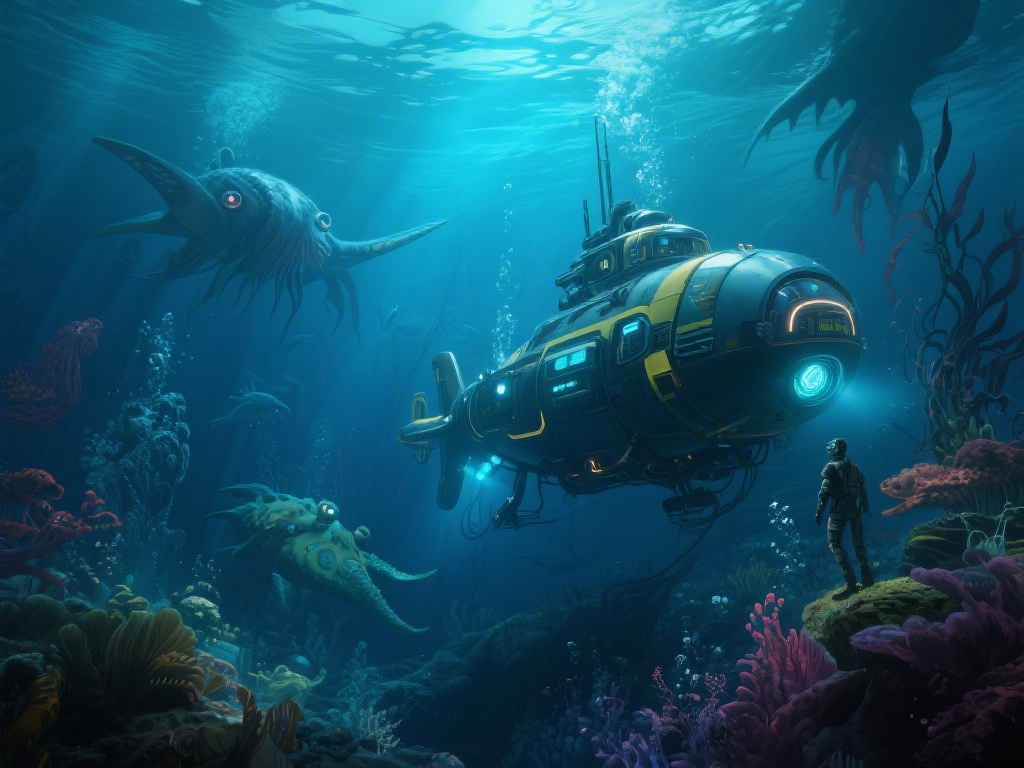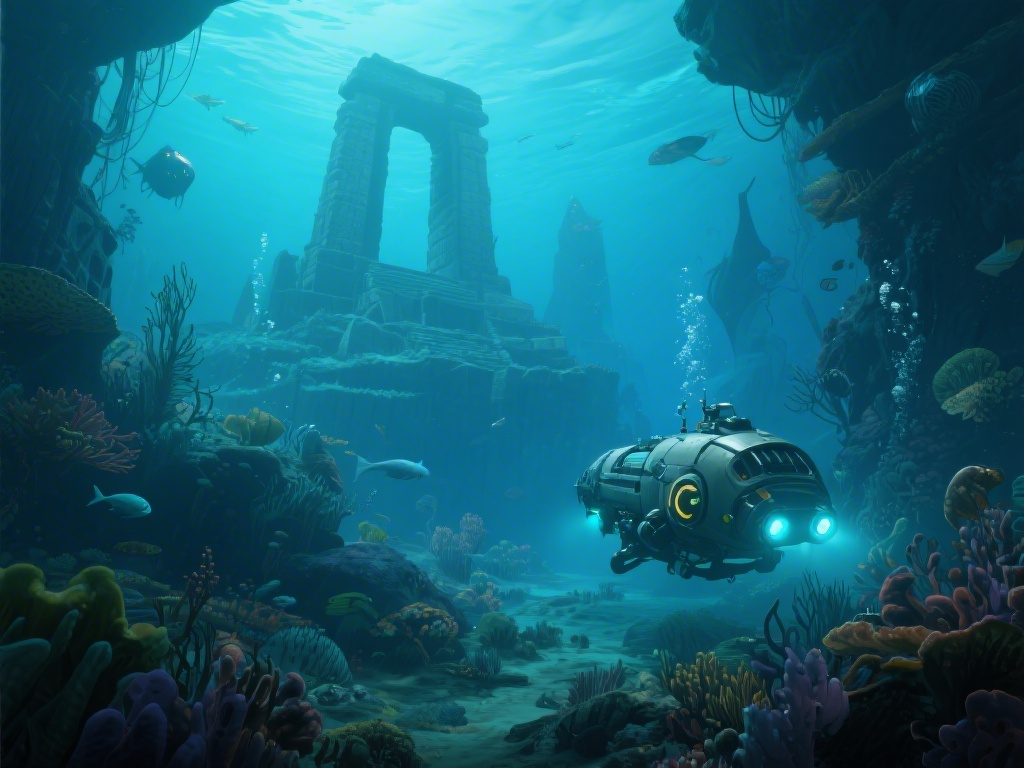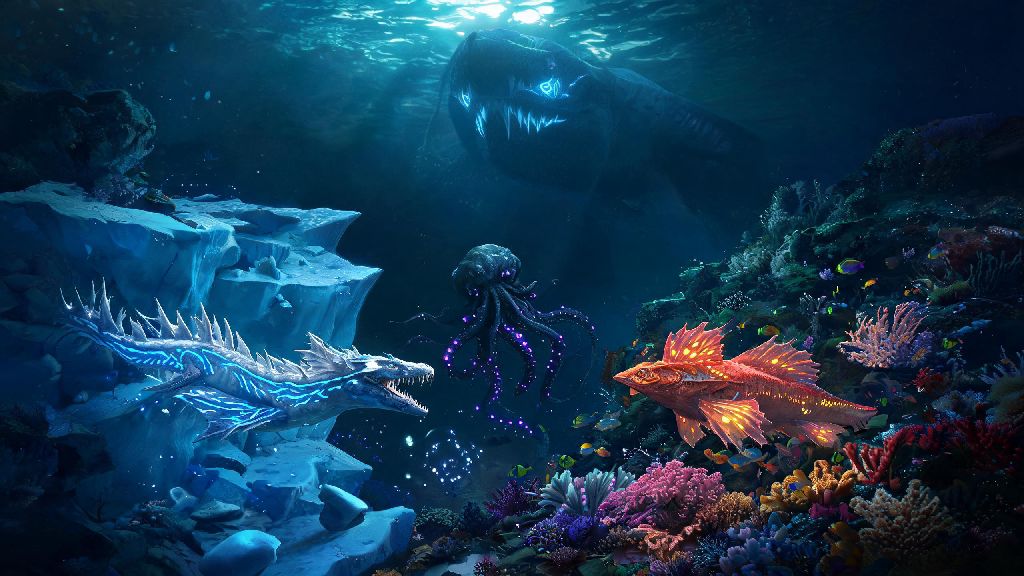
If you’ve ever dipped your toes into Subnautica’s icy or tropical oceans, you know the split-second dread of seeing a shadow far larger than your sub pass by in the murk. Subnautica 2 leviathans crank that terror up to 11, with new designs, smarter behavior, and hidden habitats that catch even veteran players off guard. I’ve logged over 120 hours in the early access build so far, and I’ve died to every single one of these giants at least three times while mapping their ranges and learning their quirks. This guide breaks down everything you need to know to spot, avoid, and if necessary, survive run-ins with every leviathan in the game.
Every Confirmed Subnautica 2 Leviathan & Core Behavior Traits
As of the latest early access update, there are 4 confirmed leviathan-class creatures roaming the game’s varied ocean biomes, each tied to specific depth ranges and regions. None of them are passive, so you’ll want to memorize their tells if you don’t want to lose a fully upgraded sub mid-exploration run. I’ve grouped them by how likely you are to encounter them in a standard first playthrough, from earliest to latest access:
A common mistake new players make is assuming leviathans stay in their set zones at all times. During in-game storm events, Glacial Maw and Abyssal Serpent leviathans often drift 50-100 meters outside their normal ranges, so don’t let your guard down just because you’re in an area you thought was safe. I learned this the hard way when a Glacial Maw took out my first seamoth right outside my starter base during a blizzard event.
How to Spot Leviathans Before They Spot You
The best way to survive a leviathan encounter is to avoid it entirely, and that means learning the early warning signs that one is nearby. Most leviathans give off distinct audio cues long before they come into visual range, so don’t play with your sound turned all the way down if you’re heading into uncharted areas. For Glacial Maw leviathans, you’ll hear low, rumbling groans that get louder as you get closer, while Abyssal Serpents make high-pitched clicking noises similar to dolphins, but far deeper.
You can also use your submarine’s sonar upgrade to pick up leviathan signatures from 300 meters away, even if they’re hiding behind rock formations or in thermal vents. The sonar upgrade is available for both the seamoth and cyclops, and it only costs 2 titanium, 1 wiring kit, and 1 copper ore to craft, so it’s worth making as soon as you unlock the blueprint.
If you don’t have sonar yet, pay attention to the behavior of smaller fish in the area. Most small prey fish will scatter and flee the second a leviathan is within 100 meters, so if you see schools of fish suddenly darting away from a direction, turn around immediately. You don’t need to go poking around to find out what scared them, trust me.
Survival Tips for Unavoidable Leviathan Encounters
Sometimes you can’t avoid a leviathan, whether you’re chasing a rare crafting material or you wandered into their zone by mistake. The worst thing you can do in that situation is panic and hit full throttle, because most leviathans are attracted to fast movement and loud engine noise. First, if you’re in a seamoth or small sub, cut your engines completely as soon as you spot the leviathan. If it’s a Glacial Maw, it will lose track of you entirely if you stay still and don’t use any tools for 10-15 seconds.
For Abyssal Serpents and Vent Wardens, you’ll want to slowly back away while facing them, as they’re less likely to attack if they can see you’re not a threat. If the leviathan does charge, don’t waste time trying to outrun it. Instead, deploy a decoy flare if you have one, or drop a stack of raw fish to distract it while you make your escape.
Never try to fight a leviathan with standard weapons, even the upgraded stasis rifle only slows them down for 2-3 seconds, and attacking them will only make them more aggressive. The only time you should ever engage a leviathan is if you’re trying to collect a rare tissue sample for a late-game story quest, and even then you should come prepared with multiple stasis rifles and a fast escape route.
Common Leviathan Encounter Mistakes to Avoid
After dozens of failed runs and lost subs, I’ve narrowed down the three most common mistakes that get players killed by leviathans, even if they know what to look for. The first is bringing too much valuable gear with you when you’re exploring unmarked biomes. If you’re heading into an area you’ve never mapped, leave your rare crafting materials and upgraded tools in your base storage, so you don’t lose everything if you get taken out.
The second is assuming that leviathans won’t attack you if you’re outside your sub. While they do target vehicles first, they will swipe at you if you’re in their direct line of sight and they don’t have a larger target to go after. I learned this when I was out scanning a thermal vent and a Vent Warden took a swing at me before I even got back to my seamoth.
The third mistake is ignoring your PDA’s warning messages. Your PDA will alert you when you’re entering a high-risk leviathan zone as soon as you cross the biome border, so if you see that warning pop up, don’t keep pushing deeper unless you’re fully prepared. It’s easy to get caught up chasing a rare blueprint or resource, but it’s never worth losing hours of progress over.
At the end of the day, Subnautica 2 leviathans are meant to add tension and wonder to the game’s underwater world, not to make you quit out of frustration. Once you learn their patterns, you’ll even start to enjoy spotting them from a safe distance, watching them glide through the water without risking your sub or your progress. Take your time exploring, craft the right tools early, and don’t be afraid to turn back if you get that familiar sinking feeling that something big is watching you. You’ll be navigating the deepest biomes without fear in no time.