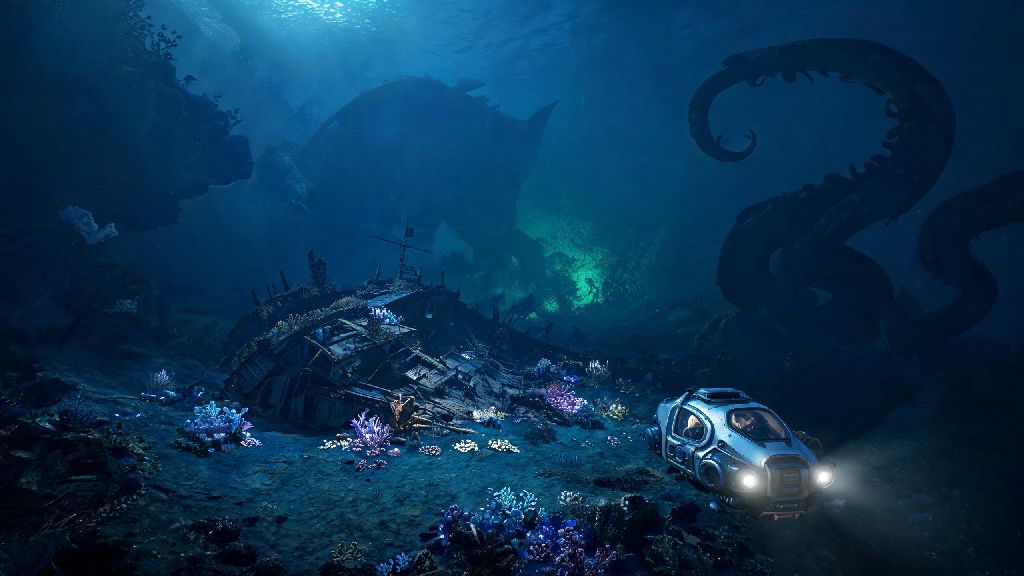
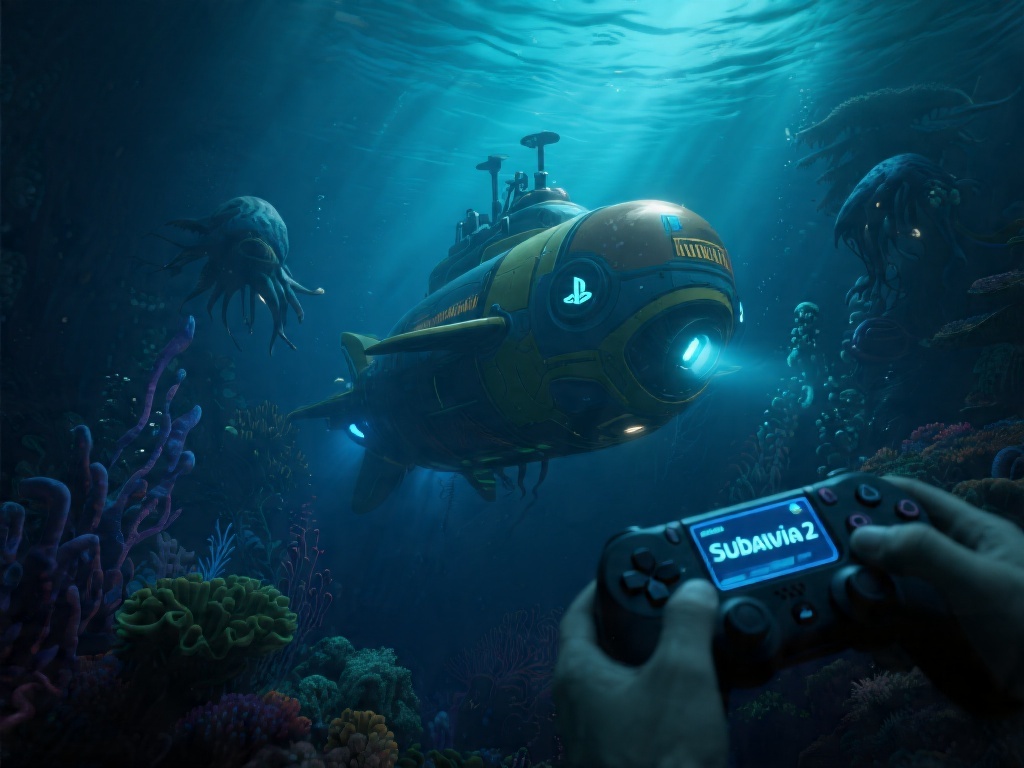
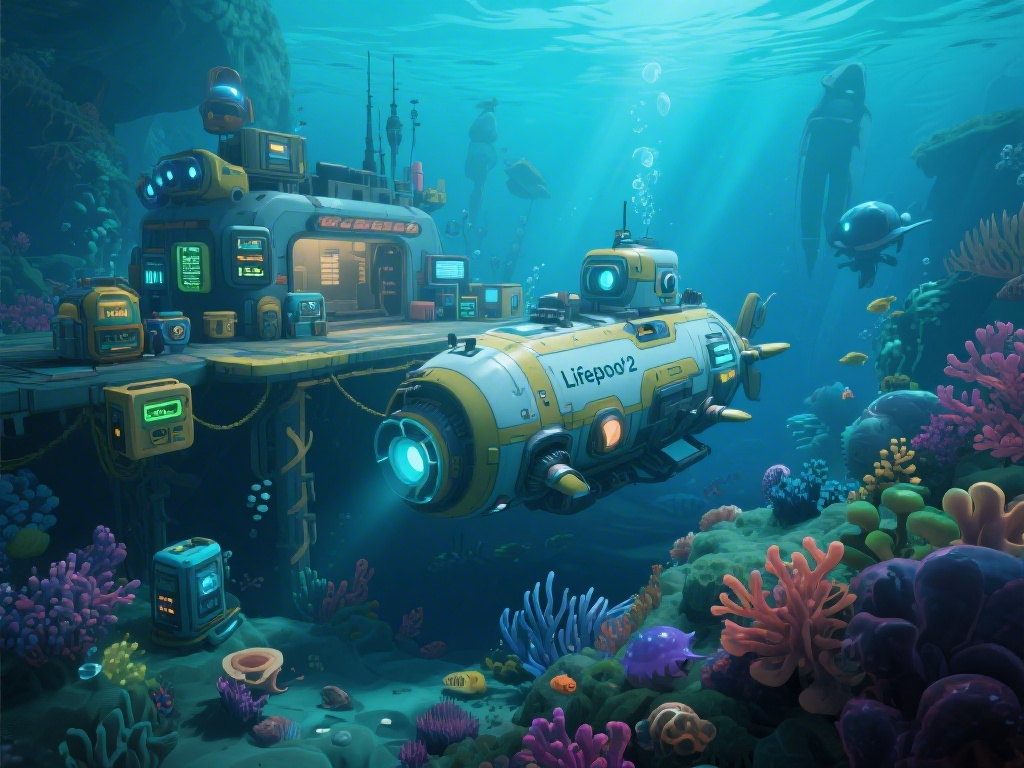
I’ve spent the past week glued to my screen navigating the glowing, predatory depths of the new alien ocean, and I’m still finding new surprises every time I boot up a save. If you’re thinking of jumping in for the first time, you’re probably wondering what to expect from Subnautica 2 early access gameplay, and how to avoid the stupid, avoidable deaths I racked up in my first three hours. This guide pulls directly from my hands-on experience to help you thrive, not just survive, as you explore the uncharted aquatic world. I’m not just regurgitating patch notes here – every tip comes from hours of trial, error, and very embarrassing run-ins with camouflaged sea predators.
Core Mechanics That Define Subnautica 2 Early Access Gameplay
If you played the original Subnautica, you’ll recognize the basic loop of gathering resources, crafting gear, and exploring deeper, more dangerous biomes, but the early access build adds a ton of new mechanics that shake up the formula entirely. The first big change is the dynamic pressure damage system, which doesn’t just penalize you for going too deep without upgrades. You’ll also take pressure damage if you’re too close to underwater volcanic eruptions, tectonic shift events, or even the wake of large leviathan creatures passing nearby.
Another new key mechanic is persistent creature territories. In the first game, most creatures would despawn if you traveled far enough away from their spawn point, but in this build, every creature has a defined home range that they’ll defend aggressively if you build a base or disturb their young. I learned this the hard way when I set up my first outpost near a stalker nesting ground, and the same group of stalkers kept attacking my base every 20 minutes until I finally moved it 500 meters away.
You’ll also notice a new inventory weight limit, which stops you from hoarding every single resource you find on a single exploration run. Even with the max inventory upgrade, you only have 80 total slots, so you’ll have to prioritize high-value materials like lithium and diamond over common drops like titanium and copper. It adds a fun layer of planning to every trip, and stops you from mindlessly grinding for hours without a clear goal.
First 5 Hours: Must-Do Tasks to Avoid Early Deaths
I died 8 times in my first 2 hours of play, and almost all of those deaths were completely avoidable if I’d known these simple steps. If you want to skip the frustration of losing hours of gathered resources, make these tasks your top priority as soon as you spawn:
- Craft the upgraded oxygen tank before you leave the shallow starting biome. It costs 3 titanium, 2 silica pearls, and 1 fiber mesh, and doubles your underwater time before you need to surface. You can find silica pearls in the shallow sand bars just a few meters from your escape pod, so there’s no reason to skip this upgrade.
- Mark every thermal vent you find with a beacon. You’ll use these to charge your early game vehicles and power your first base without spending rare lithium on batteries. The shallow starting biome has at least 4 hidden thermal vents, so keep an eye out for small bubbles rising from the sea floor.
- Avoid the purple-glowing kelp forests until you have a stun rifle. The new camouflaged stalkers that hide in the fronds will one-shot you if you’re caught off guard, and they’re faster than your starting swim speed. I lost a full inventory of rare materials to one of these on my third run, and I still have a petty grudge against the entire species.
Another non-negotiable habit to build is saving every 15 minutes. The early access build still has occasional crash bugs, especially when you’re entering a new biome for the first time, and you don’t want to lose three hours of exploration progress to a random freeze. I have a reminder set on my phone to save every 15 minutes, and it’s saved me from so much frustration already.
Don’t waste your first batch of lithium on fancy base decorations either. Your first lithium spend should go to the vehicle upgrade station, which lets you add depth modules to your first submersible and opens up 70% more of the map for exploration. You can build that fancy glass viewing room later once you have a steady supply of resources coming in.
Hidden Biomes Worth Exploring (And Ones to Skip For Now)
The current early access map is already 2x the size of the original Subnautica’s full release map, and there are tons of hidden biomes that most new players won’t find for hours. The best hidden biome for early game players is the glowing crystal coves, which is 200 meters deep, full of lithium and diamond deposits, and home to mostly passive creatures that only attack if you hurt their young. The coves are hidden behind a narrow cave system in the shallow starting biome, so keep an eye out for unmarked cave entrances when you’re exploring near the edge of the starting area.
You should also check out the thermal vent fields around 300 meters deep. They’re the perfect spot to build your first permanent base, because you can hook your base power directly to the vents and never have to worry about running out of electricity. I built my main base there, and I haven’t had to craft a single power cell for my base systems in 12 hours of play.
There are also a couple of biomes you should avoid entirely until you have late game gear. The deep void trench, which starts at 800 meters deep, will crush your submersible with pressure even if you have the best early game depth upgrades, and it’s home to a giant leviathan that will one-shot you even if you’re in a fully upgraded vehicle. The toxic algae flats are another skip for early players – the air above the flats is poisonous even when you surface, so you need a hazmat suit that you can’t unlock until at least 10 hours into the game.
Keep an eye out for unmarked cave systems in the shallow biome too. I stumbled on one by accident that had enough rare materials to let me craft the sea glide 2 hours earlier than the standard progression path, which cut my early game grind in half. You never know what you’ll find if you stray off the obvious path.
What’s Missing From the Current Early Access Build?
It’s important to go into the early access build with realistic expectations, because there’s still a lot of content that hasn’t been added yet. The full story campaign is only 30% complete right now, so you’ll hit a hard story cliff after you find the first alien research facility around 15 hours into play. The devs have said they’re adding new story chapters every month, so it’s worth coming back for updates if you run out of content.
Multiplayer is also not implemented yet, even though it’s listed as a planned launch feature. Don’t buy the game right now expecting to play with friends, because there’s no official co-op support, and third-party multiplayer mods are still in very early testing and full of bugs. The devs have said they’re targeting a multiplayer beta for later this year, but there’s no firm release date yet.
There are also only 3 leviathan variants in the current build, and some of the late game vehicles like the deep sea mining drone are still being tested. The maximum depth you can reach right now is 1200 meters, even though the full map goes down to 3000 meters, so you won’t be able to explore the deepest parts of the ocean for a few more updates.
The good news is the devs push regular weekly updates that fix bugs and add small new features, and they actively solicit feedback from players on their official Discord. They’ve already adjusted the pressure damage system twice based on player feedback, and they’ve added 2 new small biomes in the month since early access launched. There are some minor performance issues on lower-end PCs, especially in biomes with lots of glowing particles, but turning down shadow quality usually fixes most frame drop problems.
At the end of the day, the current Subnautica 2 early access gameplay is already polished enough to be worth the buy for any fan of the first game, or anyone who loves underwater survival titles. You’ll run into occasional bugs, and the content isn’t complete yet, but the core loop is fun, challenging, and full of the same sense of wonder that made the original Subnautica a classic. Take the tips we’ve shared here, and you’ll be exploring the deepest parts of the map before you know it, without the frustrating deaths that slowed my first playthrough down. If you’ve already jumped into the game, drop your own best tip in the comments below – I’m still finding new tricks every week.