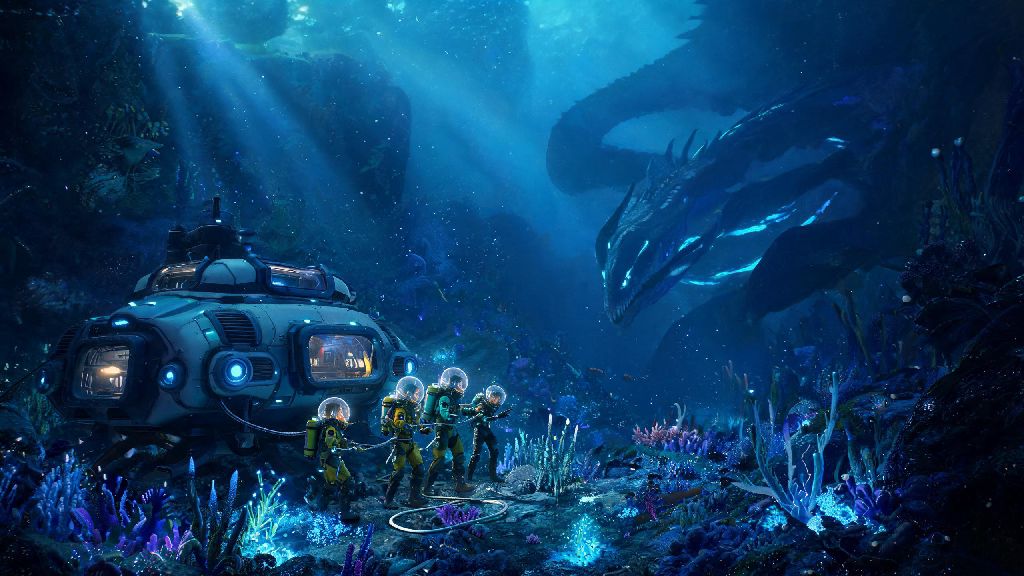
If you're a long-time Subnautica fan who spent dozens of hours navigating the original's eerie, bioluminescent alien oceans, sprinting from reaper leviathans, and building elaborate underwater bases stacked with storage lockers and grow beds, you’ve probably been waiting eagerly for any scrap of news about the franchise’s next installment. The Subnautica 2 playtest is your first chance to get hands-on with the long-awaited sequel before its official launch, and it’s packed with new biomes, never-before-seen creatures, and tweaked survival mechanics that stay true to the franchise’s tense, exploratory spirit while adding enough new content to feel fresh. I’ve spent the last three weeks in the closed playtest, running through every available biome, testing all the new craftable items, and submitting dozens of feedback reports, so I’m breaking down everything you need to know to get access, make the most of your time in-game, and share useful feedback that actually shapes the final release.
How to Qualify for the Subnautica 2 Playtest
You don’t need to be a professional game tester to get into the playtest, but there are a few basic requirements you have to meet to be eligible for an invite. First, you need to own a copy of the original Subnautica on PC, either through Steam or the Epic Games Store. The dev team has prioritized long-time fans for the first waves of invites, so linking your store account to the official Subnautica community hub and completing your profile with your play history will boost your chances of being selected early. You also have to fill out the official sign-up form, which asks basic questions about your experience with the franchise, what types of survival games you enjoy most, and your full PC specs. Don’t lie about your hardware here – the playtest is still in an unfinished state, and the devs need players across a wide range of setups to test performance across different builds.
Invites go out in batches every two weeks, so if you don’t get one the first round, don’t panic. Your application stays on file for all future waves, and the team is gradually expanding the pool of testers as they fix major bugs and stabilize the build. All playtest participants have to sign a non-disclosure agreement (NDA) that prohibits sharing screenshots, video, or detailed gameplay details publicly outside of official feedback channels, so make sure you’re comfortable with that rule before you submit your application. If you get selected, you’ll receive an email with a unique key for the playtest build, and access to the private Discord server for playtest participants, where you can talk directly to devs and other testers.
Key Gameplay Changes We’ve Spotted in the Playtest
I went into the playtest expecting a polished extension of the original game, but I was surprised by how many new mechanics the team is testing that shake up the core survival loop for the better. First, the oxygen system has been completely reworked to reward slow, intentional exploration instead of rushing through biomes to get back to base before your air runs out. You can now craft portable oxygen refills from native kelp and plant life found in shallow biomes, which means you can stay out on deep dives for twice as long as you could in the original game, as long as you plan ahead. The creature AI is also far more dynamic than the original. Leviathans don’t just patrol set paths anymore – they’ll track you across biomes if you aggravate them, and some will even target your base if you build too close to their nesting grounds.
The new arctic ocean biome is the clear highlight of the current playtest build, with bioluminescent ice caves, new passive creatures that produce heat you can harvest for warmth, and entirely new resource types you can’t find in warmer waters. There’s also a small-scale co-op testing phase running for groups of up to 4 players, though that feature is only open to a small subset of playtest participants right now to work out server kinks. Some of the most interesting new features currently being tested include:
- Customizable base power systems that use solar, thermal, and even biofuel harvested from native sea creatures to run your equipment
- A new creature taming mechanic that lets you raise small, passive creatures to help you collect rare resources and warn you of nearby predators
- Improved underwater movement that feels far more fluid and less floaty than the original game, with separate control schemes for casual and hardcore players
Tips to Make the Most of Your Playtest Session
Once you get your invite, it’s easy to jump in and start exploring immediately, but there are a few things you can do to make your time in the game more productive and fun, even if you run into unexpected bugs. First, take notes as you play. The dev team doesn’t just want generic feedback like “this game is fun” – they want specific, actionable notes about bugs you encounter, mechanics that feel unbalanced, or biomes that feel empty or underdeveloped. I keep a small notebook open next to my keyboard while I play, and jot down any issues I run into as soon as they happen, so I don’t forget small but important details later when I go to submit feedback.
Don’t skip the official playtest tutorial, even if you’ve played hundreds of hours of the original Subnautica. The controls have been adjusted slightly, and there are new UI elements for temperature and resource tracking that aren’t explained anywhere else, so the 10-minute tutorial will save you a lot of confusion later on. You should also try to play across different save files to test different playstyles. One run I focused entirely on base building, another I focused on deep exploration of the arctic biome, and a third I tested the early story quests, and I found totally different bugs and balance issues in each run. Remember that this is not the final version of the game, so you will run into glitches, frame drops, and unfinished content. Don’t get frustrated if something breaks – that’s exactly why the playtest exists.
How to Submit Useful Feedback to the Dev Team
The whole point of the playtest is to help the devs make the best possible version of Subnautica 2, so submitting high-quality feedback is the most important thing you can do as a participant. First, always use the official in-game feedback tool instead of posting about issues on social media or the general Subnautica Discord. The tool automatically attaches your PC specs, in-game location, and game version to your report, which makes it way easier for the dev team to replicate and fix the issue you’re reporting. If you only share bugs in public channels, the team will probably never see them, and they won’t get fixed before launch.
Be as specific as possible when you describe bugs or balance issues. Instead of saying “the leviathan is too strong”, say “I encountered the ice leviathan at coordinates 127, -342, 89 at 20 hours of playtime, with a level 3 reinforced dive suit, and it one-shot me even though I was 100 meters away from its marked patrol zone”. That level of detail helps the team figure out if the issue is a bug, an intentional balance choice, or something that needs adjustment for the final build. You should also vote on other players’ feedback reports if you encounter the same issue. The dev team prioritizes reports that have lots of votes from other players, so it’s a quick way to help push common issues to the top of their to-do list. Don’t spam the feedback channel with feature requests that have nothing to do with the current playtest build. The team is only testing specific mechanics in each playtest wave, so requests for things like console support or full crossplay will be ignored until those features are ready for testing.
If you’re a diehard Subnautica fan who wants to help shape the future of the franchise, the Subnautica 2 playtest is one of the most exciting opportunities the dev team has ever offered to the community. You get early access to never-before-seen content, you get to talk directly to the devs about what you love and hate about the new game, and you get to be part of the process that makes the final release as polished and fun as possible. Just remember to follow the NDA rules, take detailed notes, and submit thoughtful, specific feedback, and you’ll have a great time exploring the new alien oceans long before the official launch drops.