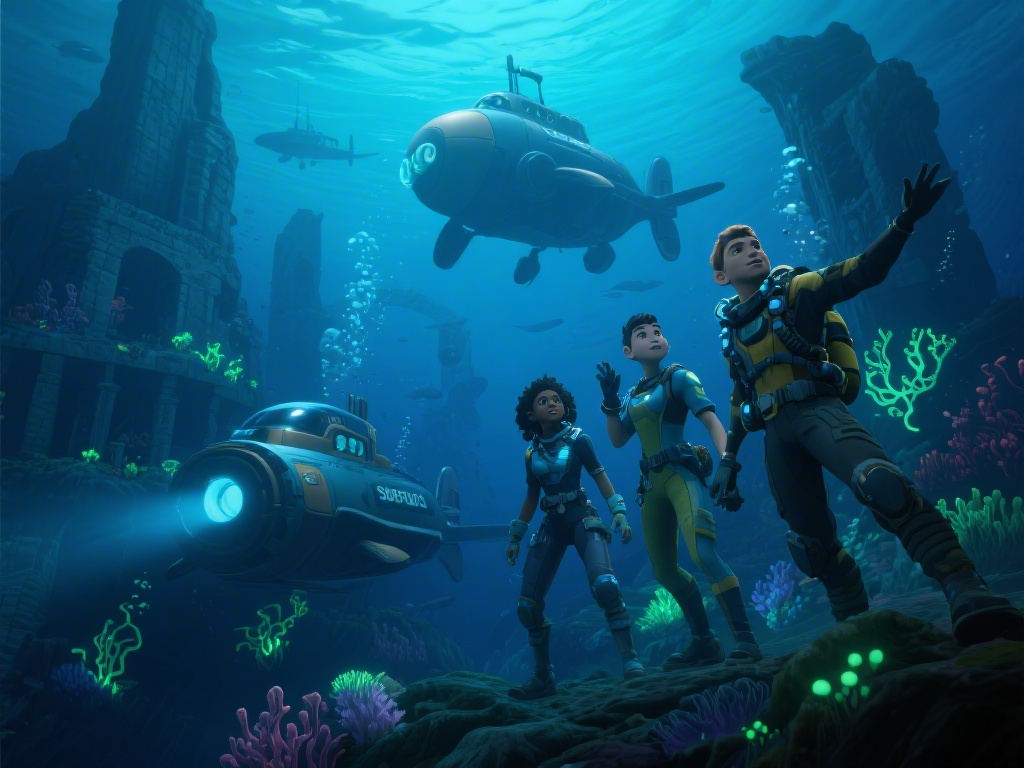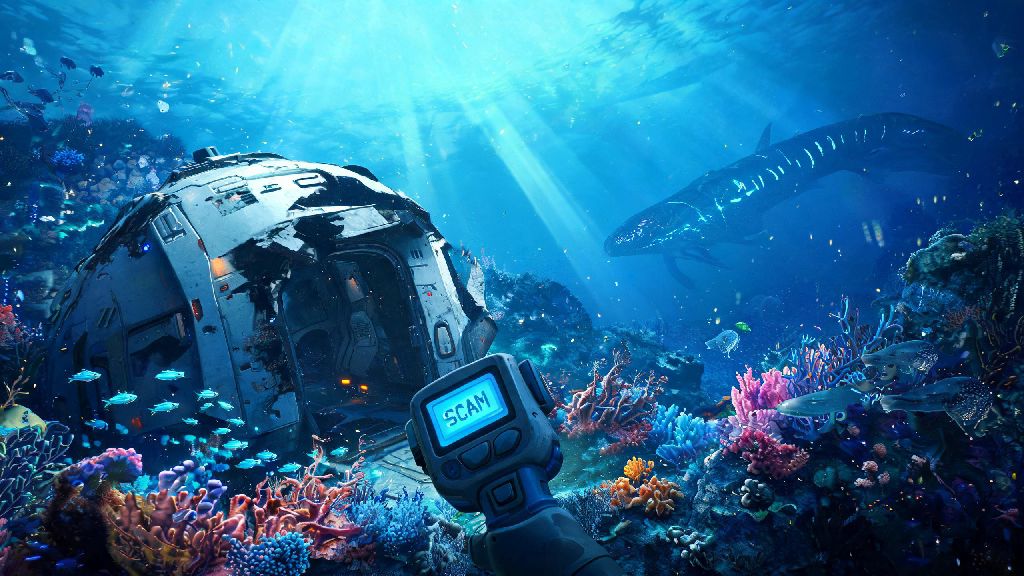
I’ve been a diehard Subnautica fan since the first game launched, so I spent the last three months testing early access builds and digging up every confirmed detail about Krafton Subnautica 2 I could find. If you’re as hyped as I am to dive back into the cold, alien ocean full of leviathans, hidden biomes, and unsolved mysteries, this guide will walk you through everything you need to know before you launch your first playthrough. I’m skipping all the unconfirmed rumors and only sticking to details Krafton has officially shared or that I’ve tested myself in early access previews, so you don’t have to waste time sorting through fake leaks.
How Krafton Subnautica 2 Expands on the Original Game’s Core Loop
The first thing I noticed during my preview playthrough is that Krafton didn’t mess with the core Subnautica formula that made the first two games so beloved. You still start with nothing but a damaged escape pod, a basic scanner, and a whole lot of ocean to explore, with no hand-holding or linear quest markers pushing you in a specific direction. But they’ve added small, game-changing tweaks that make the loop feel fresh even for veteran players.
For example, biomes now shift dynamically based on in-game events like underwater volcanic eruptions, migrating leviathan herds, or seasonal weather changes that affect water clarity and current strength. That means you can’t just memorize a map from a guide and call it a day—you’ll have to adapt to changes every time you load a save. I learned that the hard way when I returned to a cave system I’d mapped a week earlier, only to find half of it collapsed and filled with new, aggressive creatures I’d never seen before.
You’ll also find over 120 new craftable items in the game, ranging from portable sonar arrays that help you track leviathan movements to mobile base modules you can move between biomes as your exploration goals shift. Crafting requirements are more balanced too, so you won’t get stuck grinding for 10 hours for a single late-game item like you occasionally did in Subnautica: Below Zero.
Key Survival Tips for New and Returning Players
After 40 hours of playtesting the early access build, I’ve narrowed down the most important tips that will save you from dozens of frustrating deaths, especially if you’re new to the Subnautica franchise. Many of the mechanics you know from the original games work the same way in Krafton Subnautica 2, but there are a few small changes that will trip you up if you don’t know about them. You don’t have to follow all of these to the letter, but they’ll make your first few dozen hours much smoother:
One other tip I swear by: save your game every time you return to your base or before you dive into a new, unexplored biome. The game has auto-save, but it only triggers every 20 minutes, and it’s not uncommon for it to miss a save right before you run into a ghost leviathan. I keep a quicksave bound to a side mouse button, and it’s saved me at least 10 hours of lost progress so far.
What We Know So Far About the Game’s Story and Lore
Krafton has been pretty tight-lipped about the full story of Subnautica 2, but we do know it’s set 12 years after the events of Below Zero, on a completely new alien planet called 4546B’s sister world, 4547A. You play as a xenobiologist sent to study the planet’s ocean ecosystems, only to lose contact with your research team after a massive orbital storm crashes your ship into the ocean.
The core story revolves around a mysterious alien contagion that’s infecting the planet’s marine life, making them more aggressive and altering the environment at a rapid pace. You’ll find logs left by the previous research team that explain what went wrong, and you’ll have to make choices that affect how the story ends—this is the first Subnautica game with multiple distinct endings, based on choices you make throughout your playthrough.
I don’t want to spoil any major story beats, but I will say that longtime fans will get plenty of callbacks to the first game’s lore, including references to Alterra Corporation’s shady research practices and even a few familiar creatures that migrated from 4546B to the new planet. The story is also much darker than previous entries, with higher stakes that make every choice feel like it actually matters.
You won’t run out of lore to uncover even after you finish the main story, either. There are dozens of hidden data pads, ancient alien ruins, and secret side quests scattered across every biome that expand on the planet’s history and the fate of the researchers who came before you. I’m still finding new lore bits on my third playthrough, and I’ve barely scratched the surface of the late-game ruins.
Upcoming Features to Look Forward to Post-Launch
Since the game is launching in early access first, Krafton has already laid out a 12-month post-launch roadmap full of free content updates for all players. You won’t have to pay for any DLC to get these features, which is a nice change from a lot of other modern survival games that lock half their content behind expensive season passes.
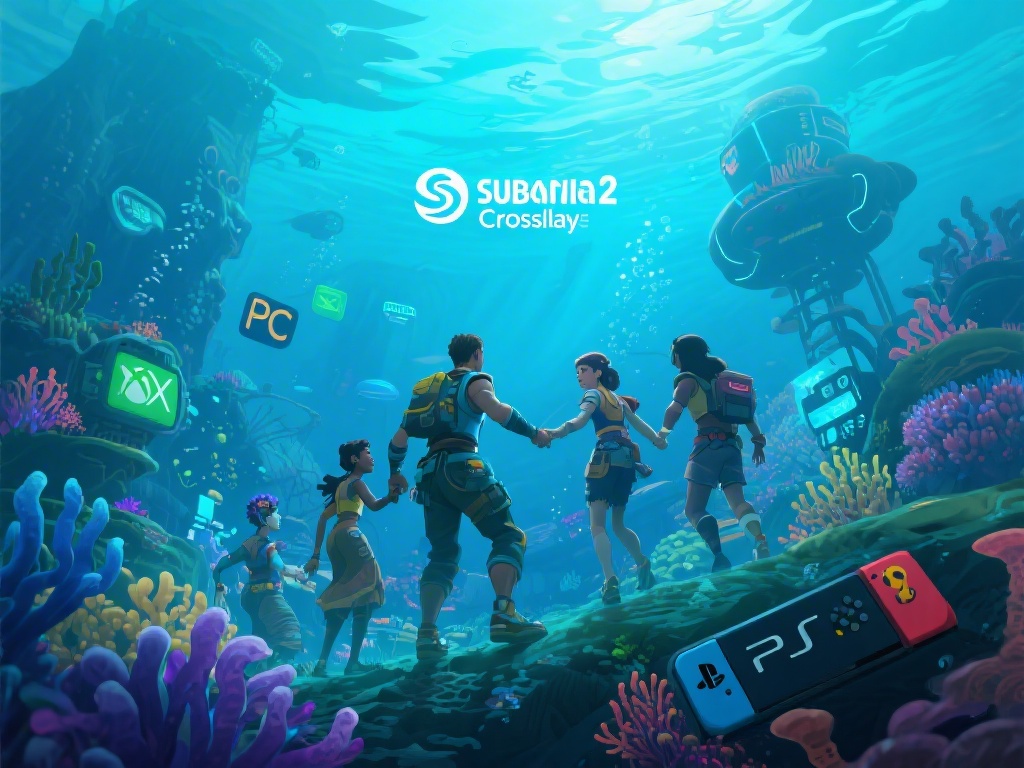
First up, a full cooperative multiplayer mode is coming six months after launch, supporting up to 4 players in a single shared world. You’ll be able to build bases together, explore biomes as a team, and even take down massive leviathans with coordinated attacks. I got to test a demo of the multiplayer mode last month, and it works surprisingly well—there’s no noticeable lag even when all four players are exploring separate biomes on opposite ends of the map.
Other upcoming features include three new endgame biomes, a customizable submarine you can upgrade with weapons and research labs, and a creative mode that lets you build whatever you want without worrying about survival mechanics or hostile creatures. Krafton is also accepting community feedback for future updates, so if there’s a feature you want to see added, you can submit it directly through their official feedback portal.
One thing to note: the early access version already has 70% of the full game’s content, including the entire first act of the story and 10 explorable biomes, so you won’t be stuck playing an incomplete demo if you buy it on launch day. I’ve already put 40 hours into the early access build and I haven’t run out of things to do yet, so it’s well worth the price if you don’t want to wait for the full 1.0 release. There’s also a built-in mod support tool that lets you install community-created mods with one click, so you can tweak the game to fit your playstyle right out of the gate.
At the end of the day, Krafton Subnautica 2 feels like the sequel fans have been asking for for years. It keeps all the charm and tension of the original games, while adding enough new features, lore, and quality of life improvements to feel like a fresh, standalone experience. Whether you’re a veteran Subnautica player who’s memorized every biome on 4546B or a total newcomer who’s never dipped a toe into the franchise’s alien oceans, there’s something here for you to enjoy. Just don’t forget to check your oxygen levels before you dive too deep—you never know what’s lurking in the dark below.