If you’re one of the 12 million players who picked up Subnautica 2 after its 2026 launch, you’ve probably spent hours floating through bioluminescent kelp forests, running from leviathan class predators, and wondering what planet is Subnautica 2 on. The first game’s 4546B setting became iconic for its mix of beauty and unforgiving danger, so fans were curious if Unknown Worlds would stick to the same world or take us somewhere entirely new. This guide breaks down everything we know about the game’s setting, from official lore reveals to hidden environmental clues you might have missed during your first playthrough.
What Planet is Subnautica 2 On? Official 2026 Lore Confirmation
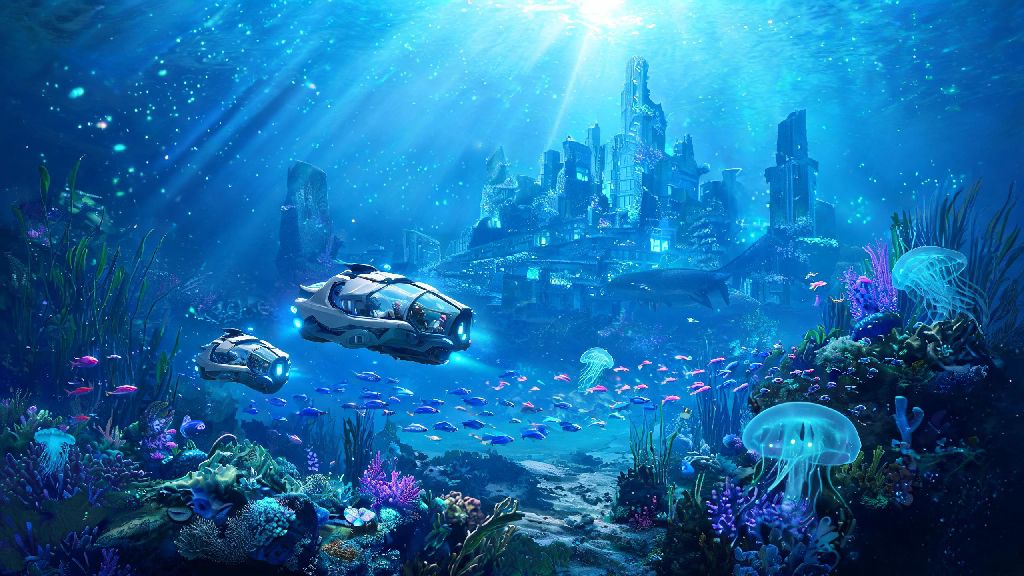
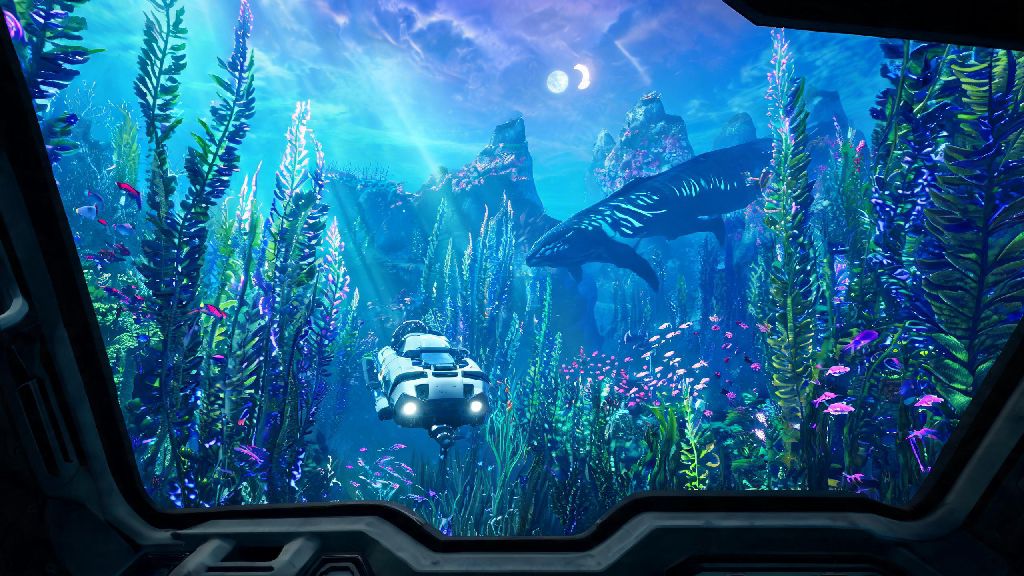
Unknown Worlds first confirmed the game’s setting in a 2026 developer Q&A, putting to rest years of fan speculation that we’d return to the frozen north of 4546B. The planet you’re exploring in Subnautica 2 is Aegir-7c, a water world located in the outer reaches of the Ariadne Arm, roughly 12 light years away from the first game’s setting. It’s a super-Earth sized planet, 2.3 times the mass of our own, with 98% of its surface covered in liquid water that ranges from shallow, sunlit reefs to abyssal zones 12,000 meters deep.
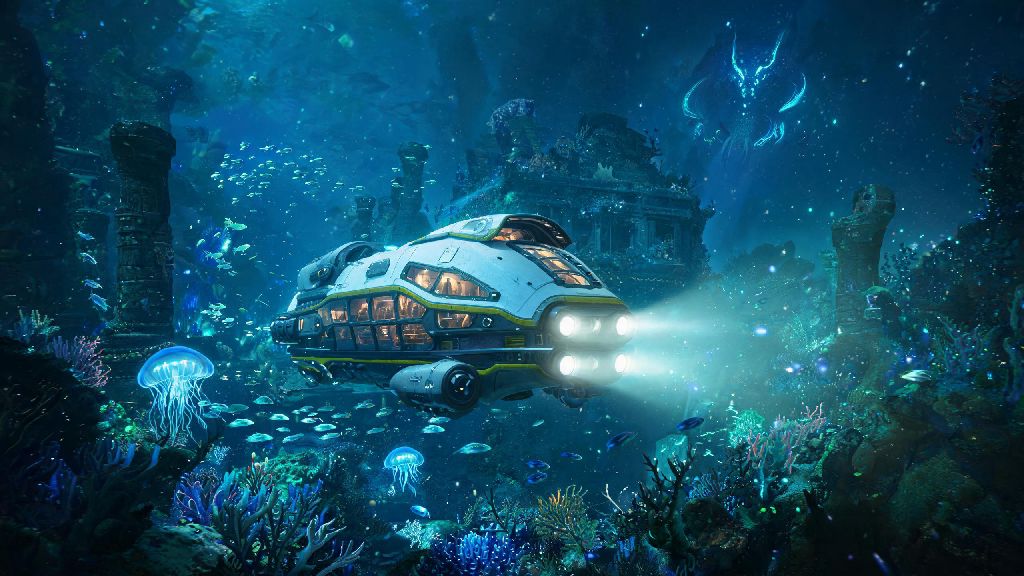
Unlike 4546B, which was a research outpost world for the Alterra Corporation, Aegir-7c was initially marked as a class 3 uncolonizable world due to its extreme tectonic activity and high concentration of unknown microbial life. The opening cutscene reveals your crew was sent to investigate a mysterious distress signal from the planet, which was thought to be completely uninhabited by sentient life. That means all the abandoned research stations you find scattered across the seabed were not part of official Alterra operations, which ties into the game’s core mystery of what exactly went wrong before you arrived. It’s easy to miss these small context clues if you’re rushing through the first few missions, but they add a ton of depth to what planet is Subnautica 2 on and why it feels so different from the original’s setting.
Key Differences Between Aegir-7c and 4546B
If you played the original Subnautica or Below Zero, you’ll notice immediately that Aegir-7c operates very differently from the worlds you’re used to. The core gameplay loop of gathering resources, building bases, and avoiding predators remains, but the planet’s unique traits change almost every part of how you explore. Some of the most notable differences include:
I made the mistake of ignoring the microbial warning during my first 2026 playthrough, and ended up losing 4 hours of progress when my character got sick and couldn’t eat or drink anything I’d stored in my base. So don’t skip that early decontamination unit blueprint, it’s not a throwaway upgrade. Also, if you’re playing on hard mode, the pressure damage starts at just 50 meters, so you’ll need to prioritize upgrading your dive suit before you venture too far from your escape pod. I've also found that this 2026 resource location guide helps track shifting vent positions if you don’t want to spend hours scanning every time you return to a biome.
Hidden Lore Clues That Reveal Aegir-7c’s Secret History
Most of the planet’s backstory isn’t spelled out directly in the main campaign, so you’ll have to hunt for data pads and abandoned research logs if you want to learn the full context of why the distress signal was sent. One of the biggest reveals comes from a data pad found in the sunken research lab in the Twisted Spires biome, which confirms that Alterra knew about Aegir-7c’s unique properties 10 years before your arrival, but hid the information from the public to avoid competition for its rare mineral deposits.
The planet’s core produces a rare mineral called void quartz that can be used to power faster-than-light drives without the need for expensive, radioactive fuel sources. That’s why the rogue research team was on the planet in the first place: they were planning to mine the void quartz and sell it to a rival corporation, cutting Alterra out of the deal entirely. You’ll also find logs that reveal the team accidentally woke up a dormant leviathan class entity that lives in the planet’s core, which is the cause of all the tectonic activity and strange weather events you experience throughout the game. I don’t want to spoil the ending, but the final mission ties directly to that entity, and the choices you make will determine whether you can escape the planet or not. If you’re someone who likes to uncover every bit of lore, I recommend exploring all the abandoned outposts before you start the final mission, because the extra context makes the ending hit a lot harder.
How Aegir-7c’s Design Changes Subnautica 2 Gameplay
The devs didn’t just pick a new planet for the sake of a fresh setting; every part of Aegir-7c’s design is meant to push players out of the comfort zones they built playing the original Subnautica. For example, the shallow reef biomes have far fewer edible fish than 4546B, so you’ll need to set up aquaculture farms within the first few hours of gameplay if you don’t want to starve. The shifting tectonic activity also means your base can take damage if you build it too close to a fault line, so you’ll need to scan the ground for seismic activity before you place any large structures.
I learned that the hard way when my first base, built right next to a geothermal vent for easy power, got destroyed by an earthquake 6 hours into my playthrough. Always build at least 200 meters away from any marked fault lines, even if it means you have to run longer power lines to get access to vent energy. The planet’s unique weather events, like underwater tornadoes and acid rain that falls through the surface during storm seasons, also mean you can’t just leave your base unattended for long periods of time. You’ll need to build weather shields and backup power generators if you plan to take long trips to the abyssal zones. If you’re playing multiplayer, you can split up tasks to make this easier: one player can manage base upkeep while the other explores for resources and lore clues.
At the end of the day, part of what makes Subnautica 2 so much fun to explore is how unique Aegir-7c feels compared to every other aquatic open world in gaming. We got a lot of questions from new players in our 2026 community forums asking what planet is Subnautica 2 on, and the answer opens up a whole world of lore and gameplay tweaks that make the sequel feel fresh even for long-time fans of the franchise. Whether you’re just starting your first playthrough or you’re coming back to hunt for hidden lore details, taking the time to learn how Aegir-7c works will make your time on the planet far less frustrating and far more rewarding. Just don’t forget your decontamination unit and keep an eye out for those shifting tectonic vents.