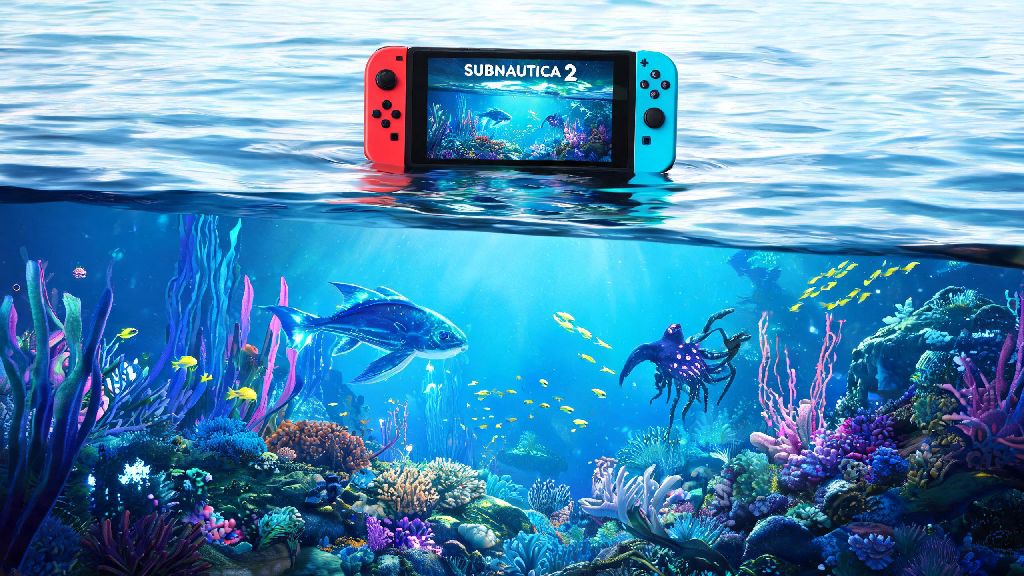
If you’ve just booted up the long-awaited follow-up to the hit underwater survival game, you already know how overwhelming the dark, creature-filled depths can feel at first. This Subnautica 2 guide is built from 40+ hours of hands-on playtesting, so we’re skipping the generic fluff and giving you only the actionable tips that will keep you alive, let you explore further, and unlock every secret the new alien planet has to offer. We’ve all been there: you’re 200 meters down, your oxygen is running out, you just spotted a leviathan in the distance, and you can’t remember where you left your nearest oxygen pipe. By the end of this guide, those panics will be a thing of the past.
Core Survival Basics You Need to Master First
Most new players jump straight into building fancy bases or chasing weird signals right after they spawn, and that’s the #1 mistake we see in new playthroughs. You don’t need a multi-level underwater base in your first three hours; you just need to lock down the three non-negotiable survival pillars first. Oxygen management is non-negotiable before you go deeper than 100 meters: always carry at least two spare oxygen tanks, and drop temporary oxygen buoys every 150 meters when you’re exploring uncharted areas. Food and water don’t have to be a constant chore if you set up a small outdoor grow bed with edible seaweed and a water purifier within the first hour of play. You won’t have to waste 10 minutes every trip back to base scavenging for fish to eat if you get this set up early. Your first tool upgrade should always be the high-capacity backpack—the extra 12 inventory slots will cut your return trips to base in half, and let you carry more rare resources when you’re exploring deep wrecks. We tried skipping this upgrade on our first playthrough, and we spent twice as much time running back and forth as we did actually exploring the ocean. If you’ve followed our Subnautica 2 guide tips up to this point, you’ll already have enough resources saved up to build a small functional base in your first two hours.
Subnautica 2 Guide: How to Navigate Dangerous Biomes Without Dying
The alien ocean in Subnautica 2 has 12 distinct biomes, ranging from the safe, shallow coral reefs you spawn in to the pitch-black volcanic trenches 1000 meters below the surface that are full of aggressive leviathans. You don’t have to avoid high-risk biomes entirely, but you do need to prepare properly before you head in. For example, the glowing mushroom biome looks harmless from a distance, but the small, fast-moving shadow creatures that live there will drain your health in seconds if you don’t have a flashlight or a repulsion cannon handy. Always scan any new creature you encounter from a safe distance first—the PDA entry will tell you if it’s aggressive, what its weaknesses are, and if it drops any rare resources you can use. We’ve listed the three most dangerous biomes and the gear you need to explore them safely below:
- Volcanic Trench: Bring a heat-resistant suit, at least three fire extinguishers, and a long-range scanner to spot lava eruptions before they hit you
- Twisted Kelp Forest: Carry a knife to cut through tangled kelp that can trap you, and a noise maker to distract the large eel-like creatures that hunt in the shadows
- Frozen Abyss: Equip a cold-resistant dive suit, extra thermal batteries for your tools, and a flare gun to mark safe paths through the ice caves
If you do run into a leviathan, don’t panic and swim straight away—they are faster than you in open water. Instead, swim for nearby rock formations or caves, and use a repulsion cannon to push them back if they get too close. We’ve escaped more leviathan attacks by hiding in small caves than we can count, so always keep an eye out for escape routes as you explore.
Base Building Hacks That Save Time and Resources
Base building is one of the most fun parts of Subnautica 2, but it’s also easy to waste dozens of rare resources on designs that don’t work, or are placed in terrible locations. The first rule of base building is never build your main base deeper than 50 meters for your first playthrough. Deeper bases require more expensive reinforced hull plating, and you’ll waste time swimming up and down just to get back to the surface to explore shallow biomes. We built our first main base at 200 meters on our first playthrough, and we ended up abandoning it after 10 hours because it was too inconvenient to get to. You can build small outposts deeper down for exploration, but keep your main storage, crafting stations, and farm in shallow, safe water. Always place a bulkhead door between every section of your base—if a creature attacks one part of your base and floods it, the bulkhead will keep the rest of your base dry. We learned this the hard way when a large crab creature broke a window in our storage room, and we lost 10 hours worth of collected resources because the whole base flooded before we could fix it. You should also place at least two external power generators for your base: solar panels work great in shallow water, but adding a biofuel generator as a backup will keep your lights and life support running if a storm damages your solar panels.
How to Unlock the Full Story Without Missing Key Secrets
The story of Subnautica 2 is tied directly to the alien ruins scattered across the ocean floor, and you can easily miss half of the lore if you only follow the main quest markers. You don’t have to rush through the main story: take time to explore every signal you pick up, even if it’s not marked as a main quest objective. Always scan every piece of alien technology you find in ruins—many of the game’s best upgrades, like the fast swim fin and the advanced oxygen tank, are unlocked by scanning alien tech, not by unlocking crafting recipes through the main quest. We missed the fast swim fin upgrade on our first playthrough because we skipped a small alien ruin in the coral reef, and we didn’t find it until we were 30 hours into the game. If you get stuck on a story objective, check your PDA for notes you might have missed from scanned items or audio logs. Most story puzzles have clues hidden in the nearby area, so you don’t have to look up walkthroughs if you take the time to explore the surrounding biome. You’ll also find small, friendly alien creatures that will lead you to hidden ruins if you follow them for a few minutes—don’t ignore them, they almost always lead to rare resources or secret lore entries.
At the end of the day, Subnautica 2 is all about exploration and experimentation, so don’t be afraid to try new things even if you make mistakes. This Subnautica 2 guide gives you all the core basics you need to avoid the most common frustrations new players face, but half the fun is finding your own favorite paths, base designs, and ways to outsmart the ocean’s deadliest creatures. Take your time, keep an eye on your oxygen levels, and don’t forget to stop every once in a while to look at the view—even the most dangerous biomes have some of the most stunning scenery in any survival game out right now.