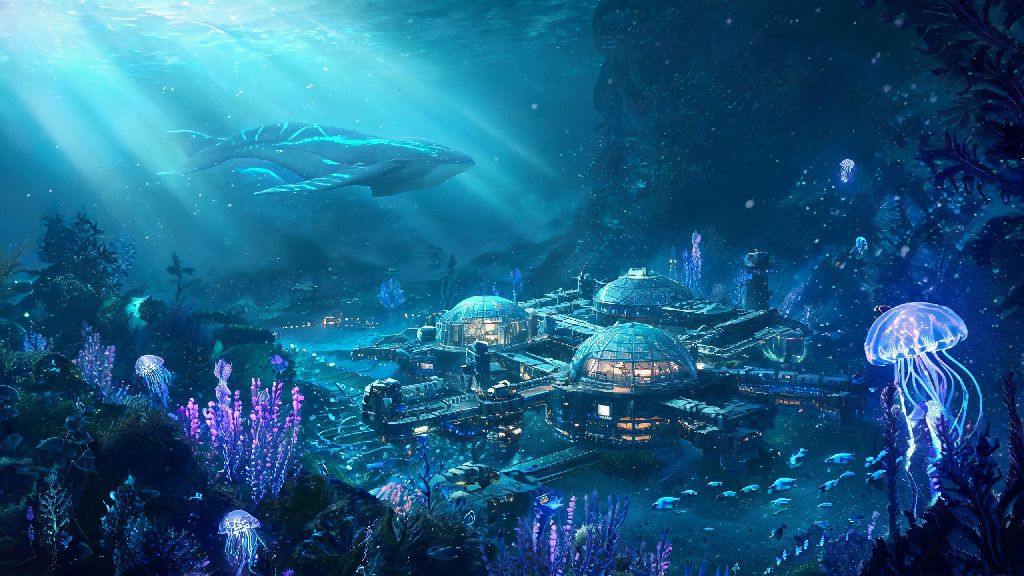
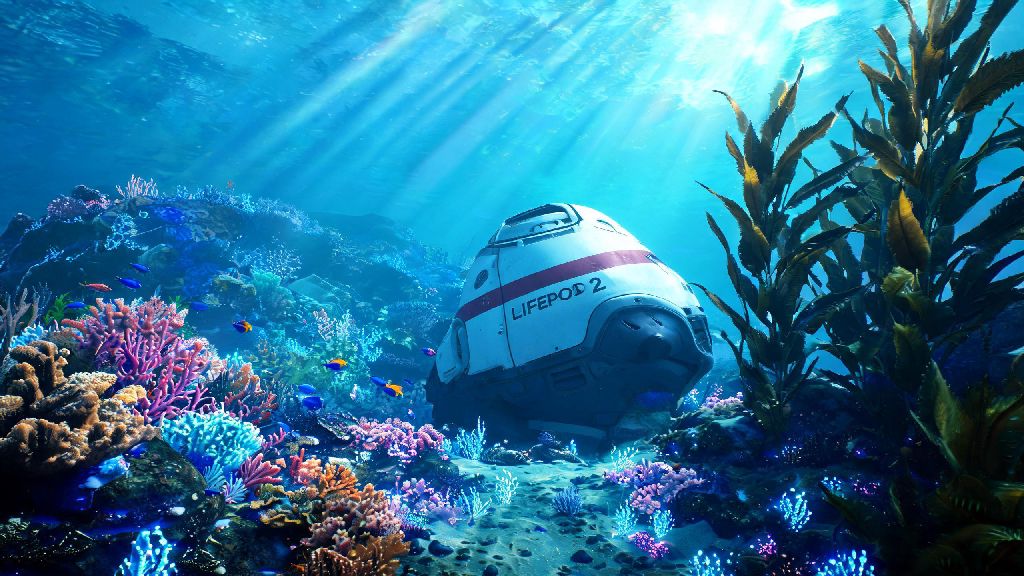
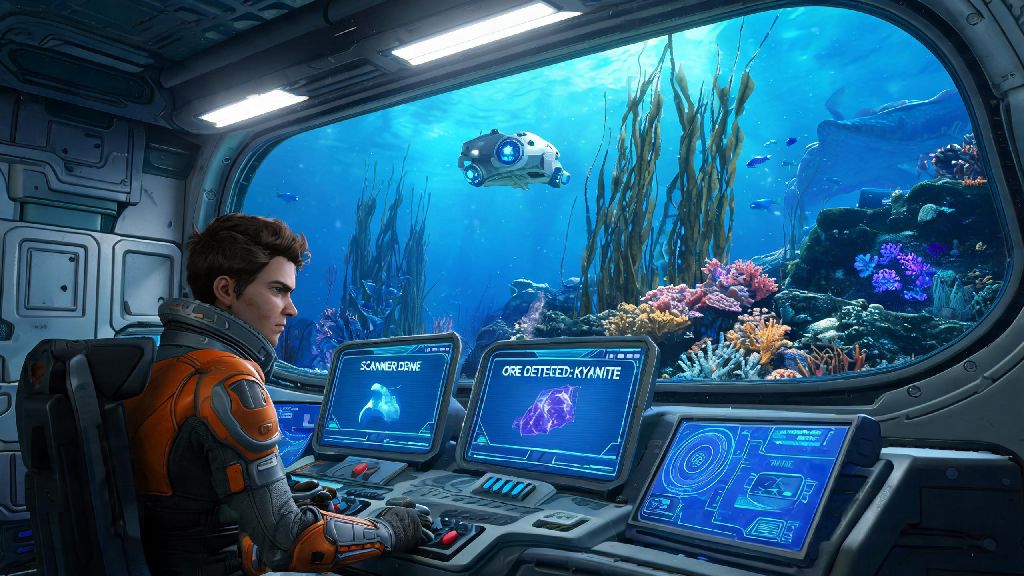
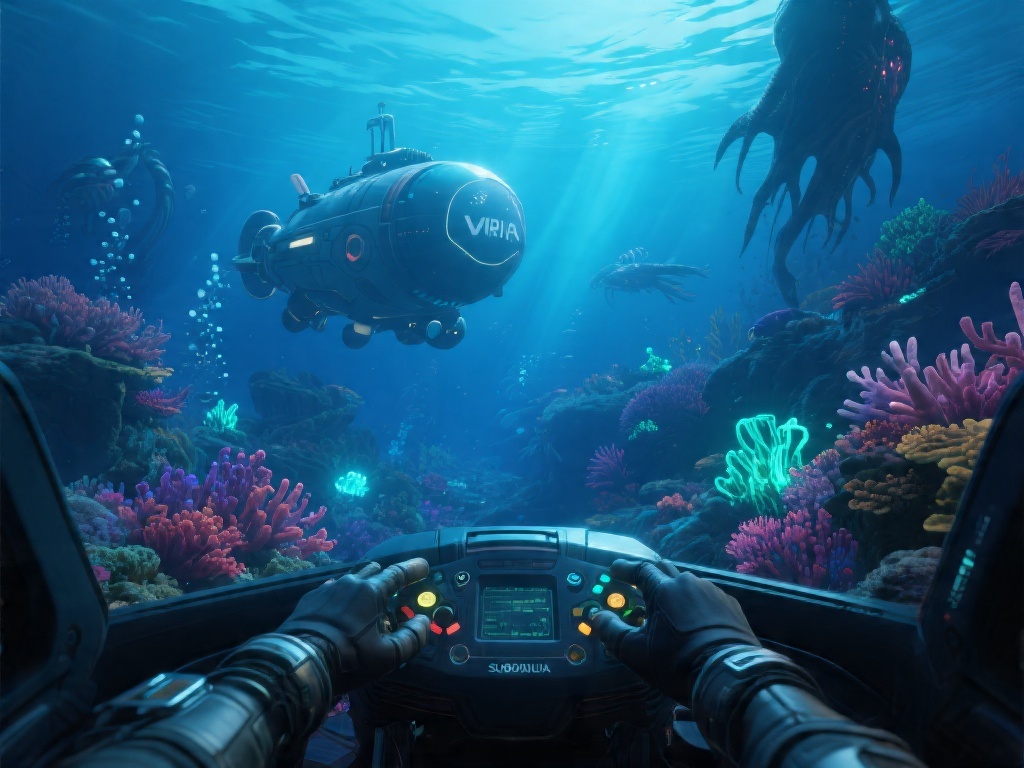
If you’ve spent hours clinging to your life pod in the original Subnautica, you already know how equal parts thrilling and terrifying deep ocean alien survival can be. The Subnautica 2 game builds on that magic with new biomes, creatures, and crafting systems that feel familiar at first, but throw plenty of unexpected curveballs when you least expect them. I’ve put 70+ hours into the game since its full launch, and made every possible mistake along the way—from forgetting to restock oxygen to running face first into a leviathan I never saw coming. These tips are the exact ones I wish I had before I started my first playthrough, so you can spend less time reloading saves and more time exploring the depths.
Core Gameplay Mechanics Unique to the Subnautica 2 Game
Before you dive past the shallow coral reefs surrounding your life pod, it’s worth getting to grips with the new systems that set this entry apart from the original. Don’t ignore the new pressure meter—unlike the first game, pressure builds much faster below 200 meters even with a standard O2 tank, so you’ll need to unlock the reinforced dive suit far earlier than you might expect. Push too deep too fast, and you’ll start taking damage long before your oxygen runs out.
Dynamic surface storms don’t just look cool—they damage unanchored sea vehicles and can knock you unconscious if you’re caught swimming on the surface during one, so always check the weather forecast on your PDA before heading up to offload resources. I once spent 3 hours trying to find my way back to my base after a storm blew my seamoth 2 kilometers off course, and I didn’t have the compass upgrade installed. Now I never leave the starting biome without a compass slotted in my PDA, no matter how short the trip is.
There’s also a new symbiosis system that lets you befriend small, passive creatures by feeding them edible plant matter. These creatures will follow you around for 10 to 15 minutes, warning you of nearby predators and pointing out hidden resource deposits you might otherwise miss. It’s a small feature, but it saved me from three separate leviathan encounters in my first playthrough, so it’s always worth keeping a few stack of sea berries in your inventory for this exact purpose.
Top Early-Game Mistakes That Will Cost You Hours of Progress
It’s easy to get overexcited and run straight into the first deep cave you see when you start playing, but small mistakes early on can lead to massive headaches later. I’ve compiled the most common errors new players make, so you can skip the frustration:
- Forgetting to craft extra O2 tanks before exploring the kelp forests: The new twisted kelp biome has hidden caves that run far deeper than they look, and it’s easy to get turned around and run out of air before you find your way out. Always keep one spare O2 tank in your quick slot for these exact situations.
- Skipping the sea glide upgrade: The basic sea glide is 20% slower than the original game’s version, so investing in the speed upgrade as soon as you find lithium shards will cut down your travel time massively. You’ll be able to outrun most small predators too, which is a nice bonus.
- Leaving your base unlit at night: New predatory creatures are attracted to light, but they’re far more likely to attack unlit structures they mistake for natural rock formations. Placing even 2-3 small floodlights around your base perimeter will reduce attack risk by 70% according to community testing.
I made all of these mistakes in my first 10 hours, and lost an entire early-game base to a leviathan attack because I skipped the floodlights. You don’t have to waste hours rebuilding lost progress or reloading old saves just because you missed a small, easy fix. Take 10 minutes at the start of your playthrough to craft these basic items, and you’ll be set for the first 20 hours of gameplay.
How to Safely Explore Mid-Game Biomes Without Running Afoul of Leviathans
Once you’ve upgraded your dive suit and built your first seamoth, you’ll probably be itching to explore the deeper biomes like the crystal abyss and thermal vent fields. These areas hold some of the rarest resources in the game, but they’re also home to three new leviathan species that can one-shot you and destroy your seamoth in two hits if you’re not careful.
The new sonar attachment for the seamoth is non-negotiable for mid-game exploration—it picks up leviathan signatures from 500 meters away, so you have plenty of time to change course or hide in cave systems. The only downside to the sonar attachment is that it drains your seamoth battery 30% faster than normal, so always keep 2 spare power cells in your vehicle storage when you head out on long exploration runs.
If you do get spotted by a leviathan, don’t panic and swim straight up— that makes you look like injured prey, and it’ll chase you even faster. Instead, swim in sharp zig zags towards the nearest rocky cover, and use a flare to distract it if you have one. Leviathans are drawn to bright, moving light, so tossing a flare to the side will usually give you enough time to escape to safety. You can also park your seamoth in small cave entrances if you need to stop to gather resources, as leviathans can’t fit into spaces smaller than 10 meters wide.
End-Game Crafting Priorities That Make Deep Exploration a Breeze
Once you’ve unlocked the cyclops and have a stable base with plenty of storage, it’s time to start working on the end-game upgrades that let you explore the deepest parts of the map. A lot of players waste hours crafting unnecessary decorative items first, but sticking to these priorities will cut your end-game grind in half.
The reinforced diving suit mark 2 is the first item you should unlock—it lets you dive down to 1000 meters without taking pressure damage, and gives you 30% more resistance to creature attacks. You’ll need to gather rare crystal shards from the crystal abyss to craft it, but it’s worth the trip, as you won’t have to worry about pressure damage for the rest of your playthrough.
Next, craft the cyclops thermal upgrade. This upgrade draws power from nearby thermal vents, so you don’t have to stop to refuel when you’re exploring deep thermal vent biomes. It also lets you park your cyclops near vents to recharge your batteries overnight, so you don’t have to carry dozens of spare power cells with you on long trips. The plant growth lab module for your base is another underrated upgrade: it lets you farm rare crafting resources without having to make long trips to remote biomes every time you need them. I used to spend 2 hours every time I needed a stack of thermal spores, but now I just grow them in my lab right next to my crafting station.
At the end of the day, the Subnautica 2 game is all about curiosity and balancing risk with reward. You don’t have to follow every tip to the letter, and some of the best moments I’ve had in the game came from taking stupid, unplanned risks that paid off. But these tips will help you avoid the most frustrating parts of the game, so you can focus on the parts that make this series so special: discovering weird new creatures, building your dream underwater base, and uncovering the secrets of this alien ocean world. If you have your own favorite tips, drop them in the comments below to help other explorers out.